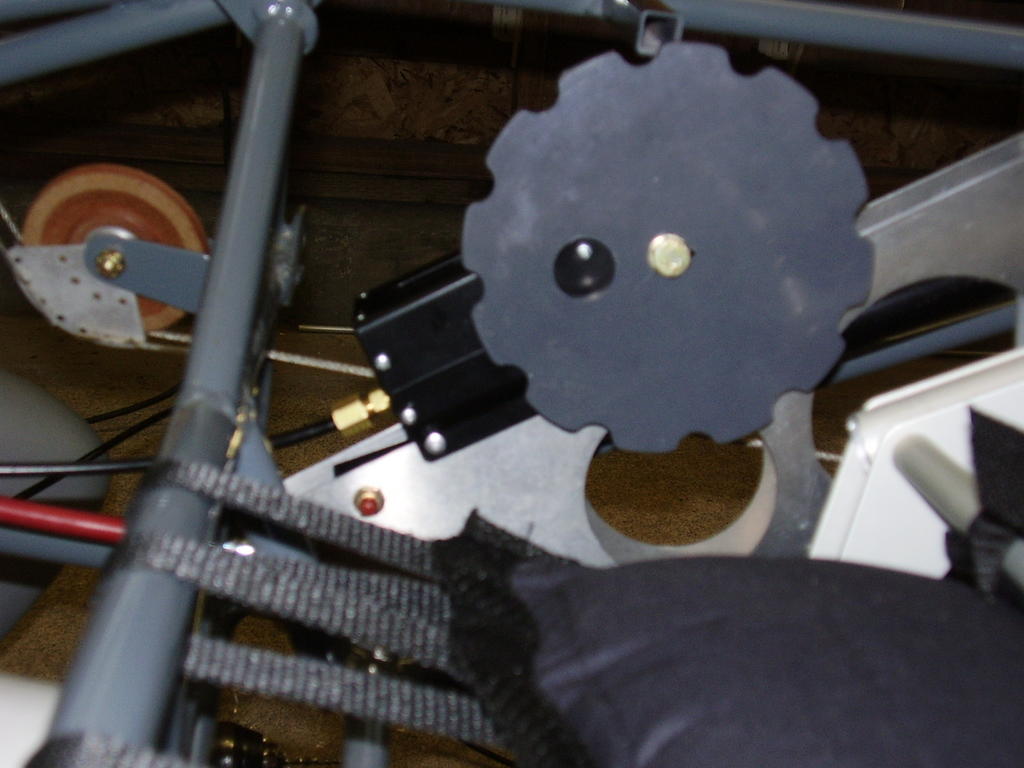
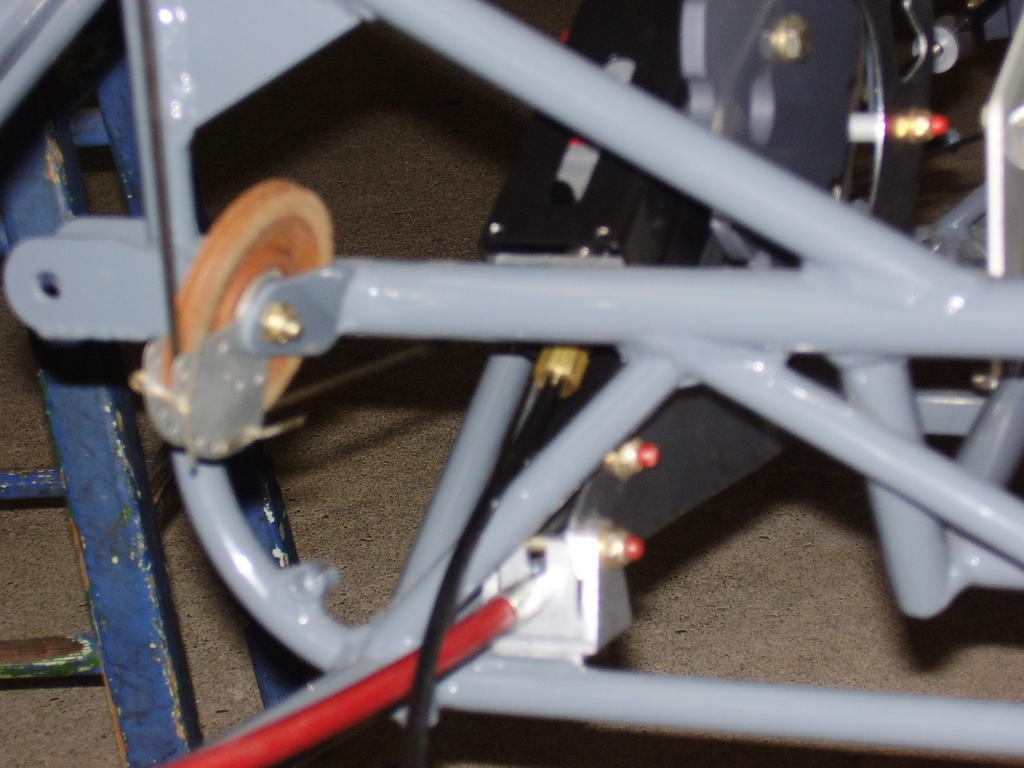
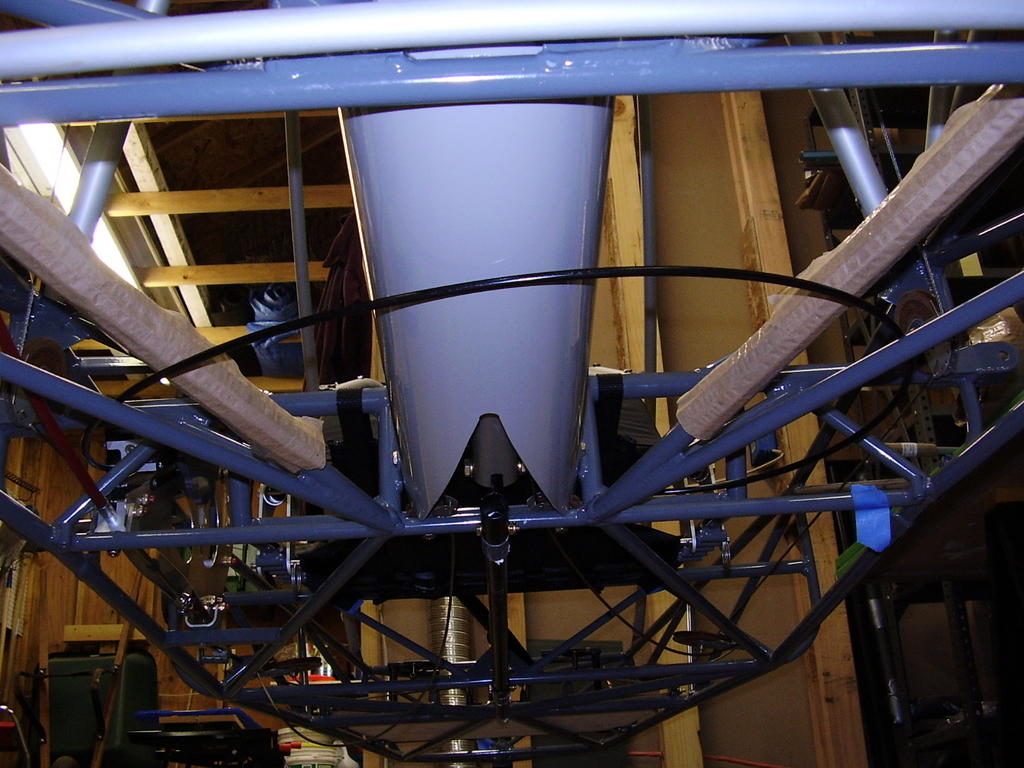
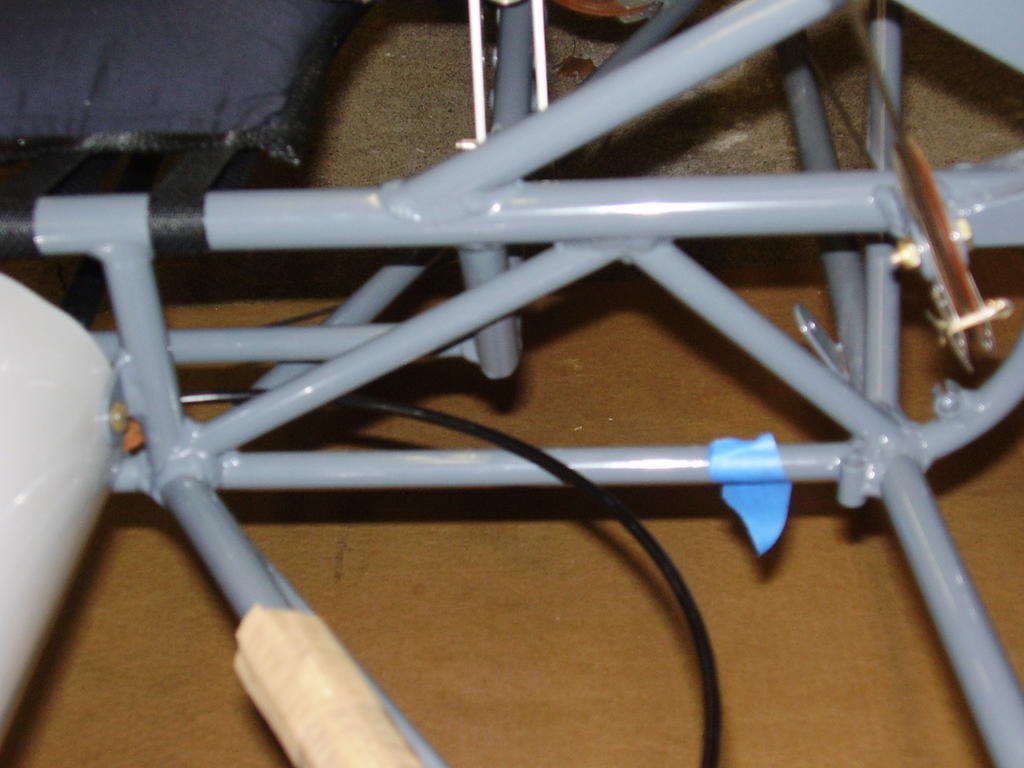
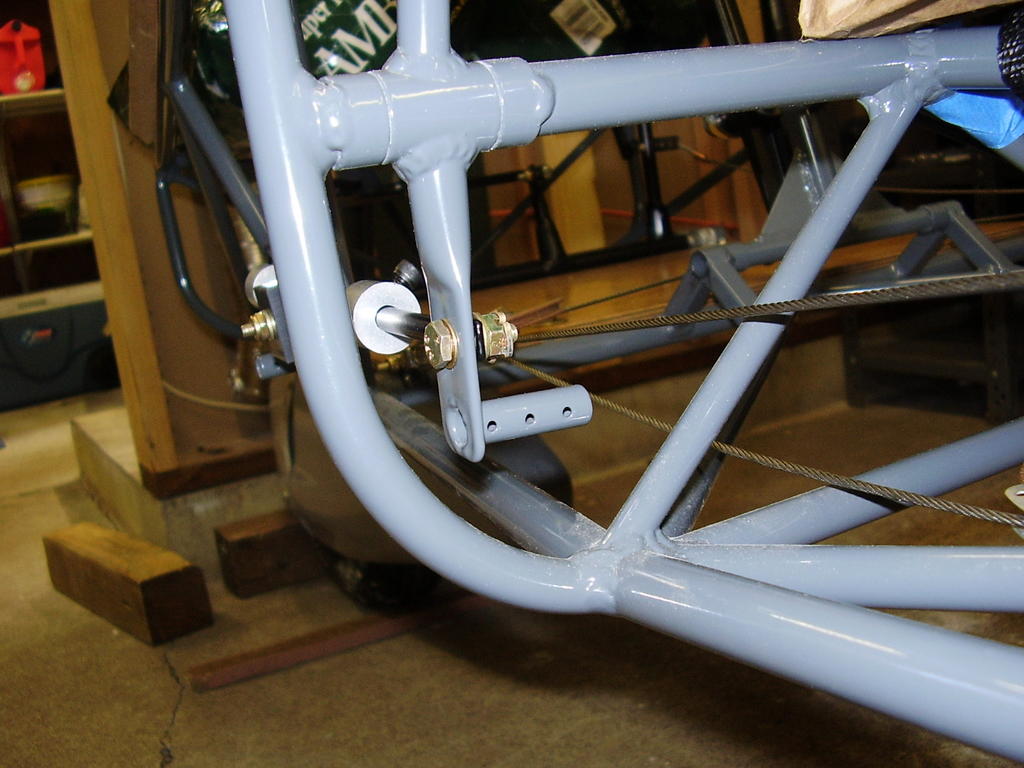
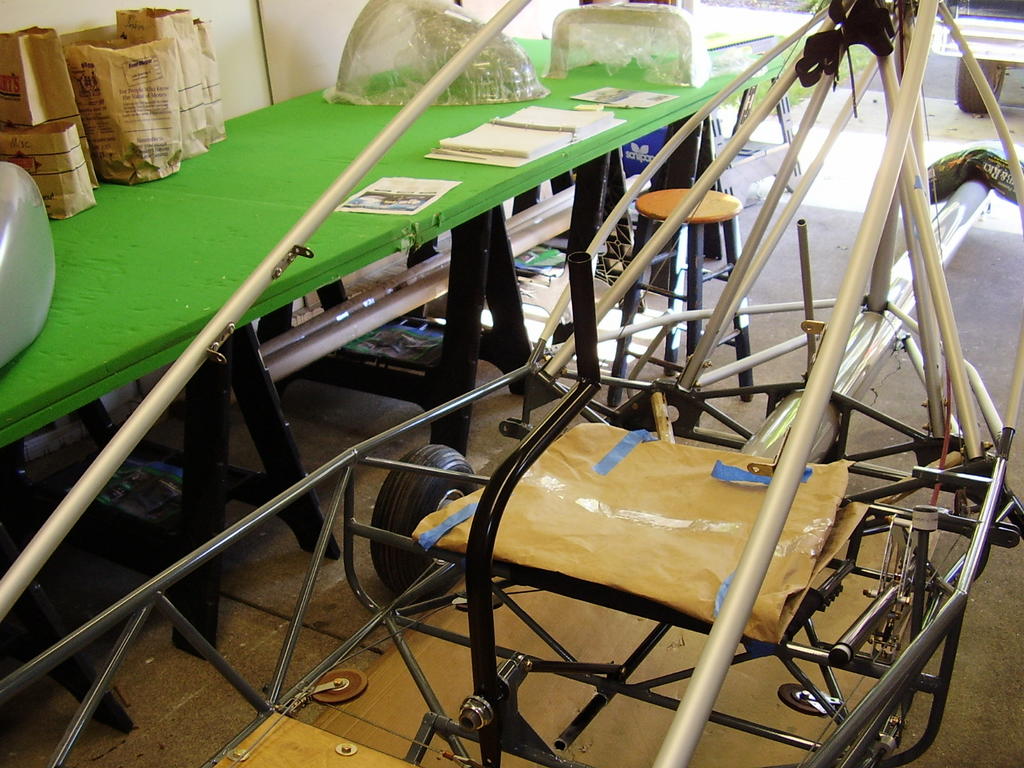
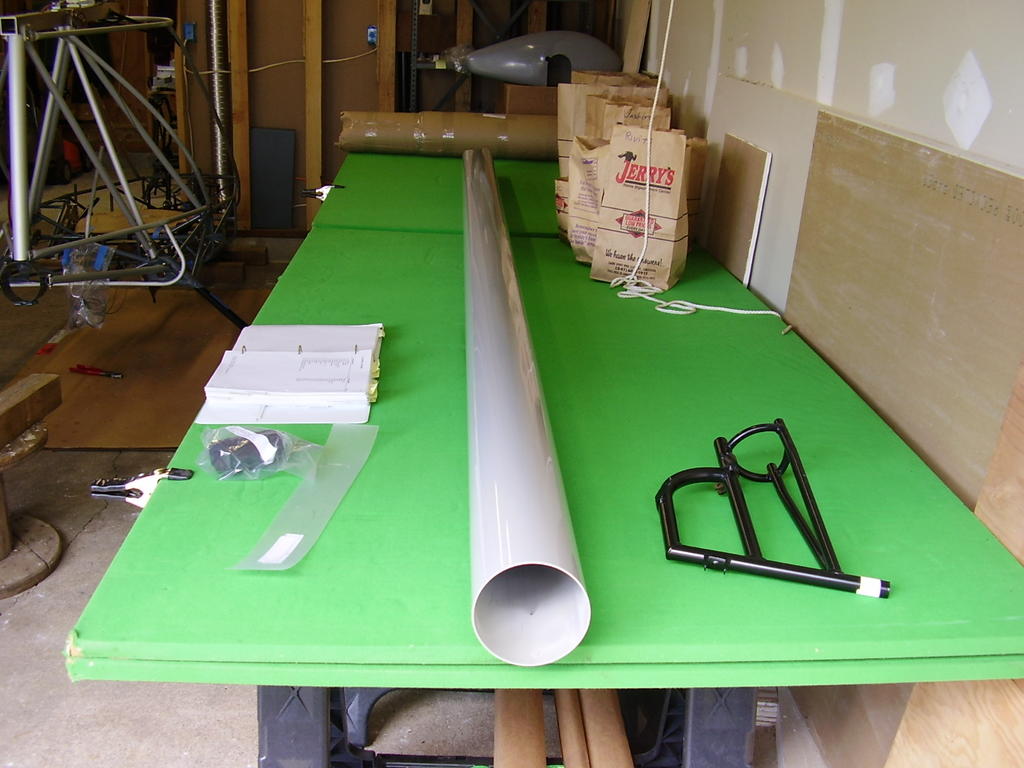
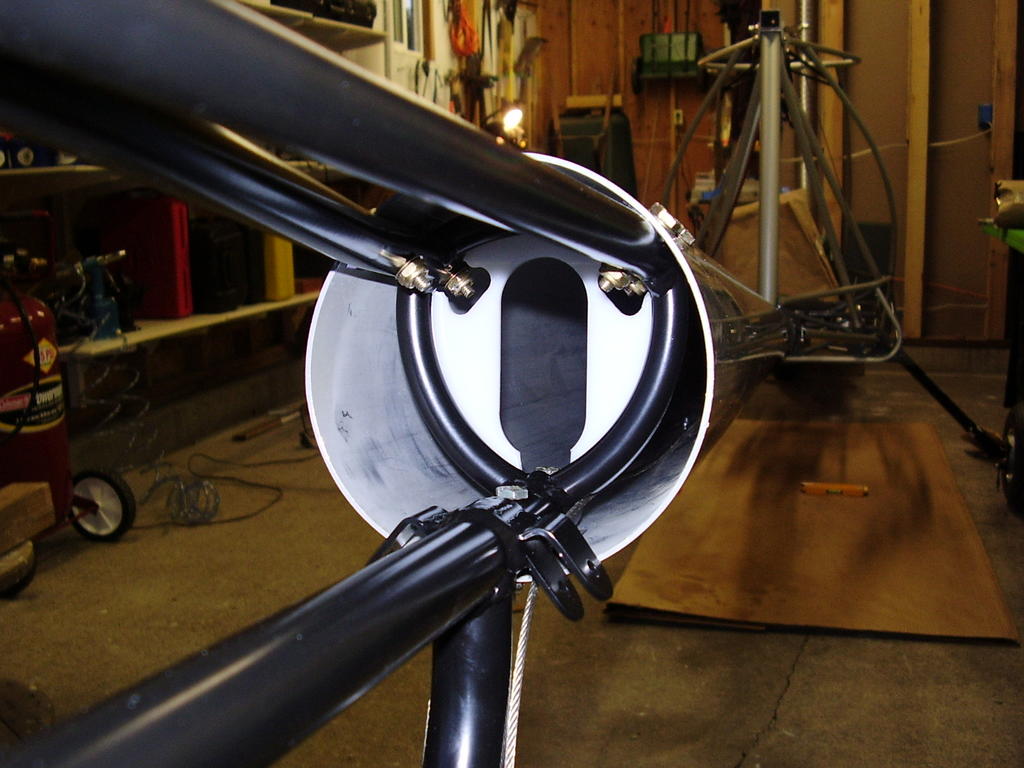
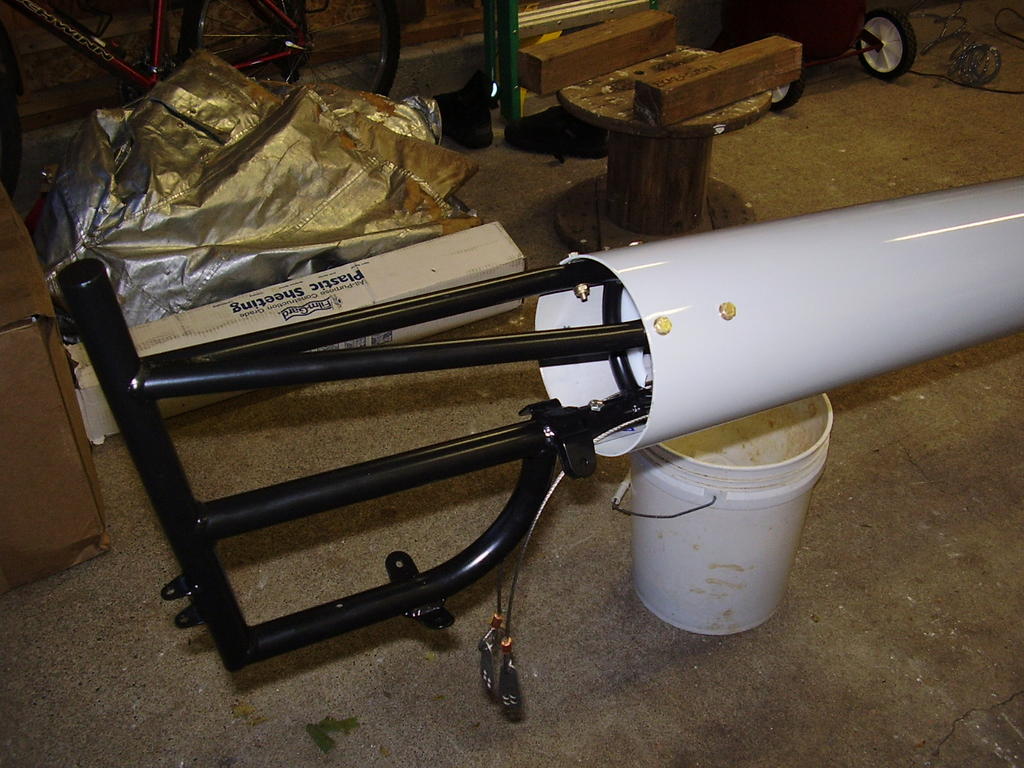
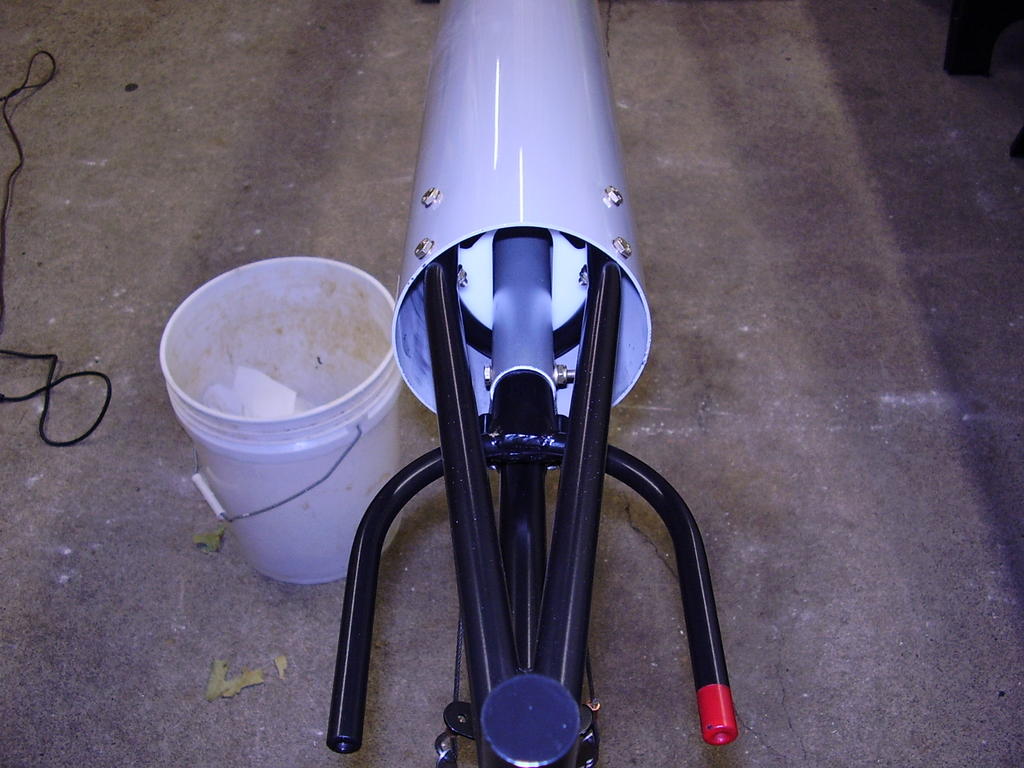
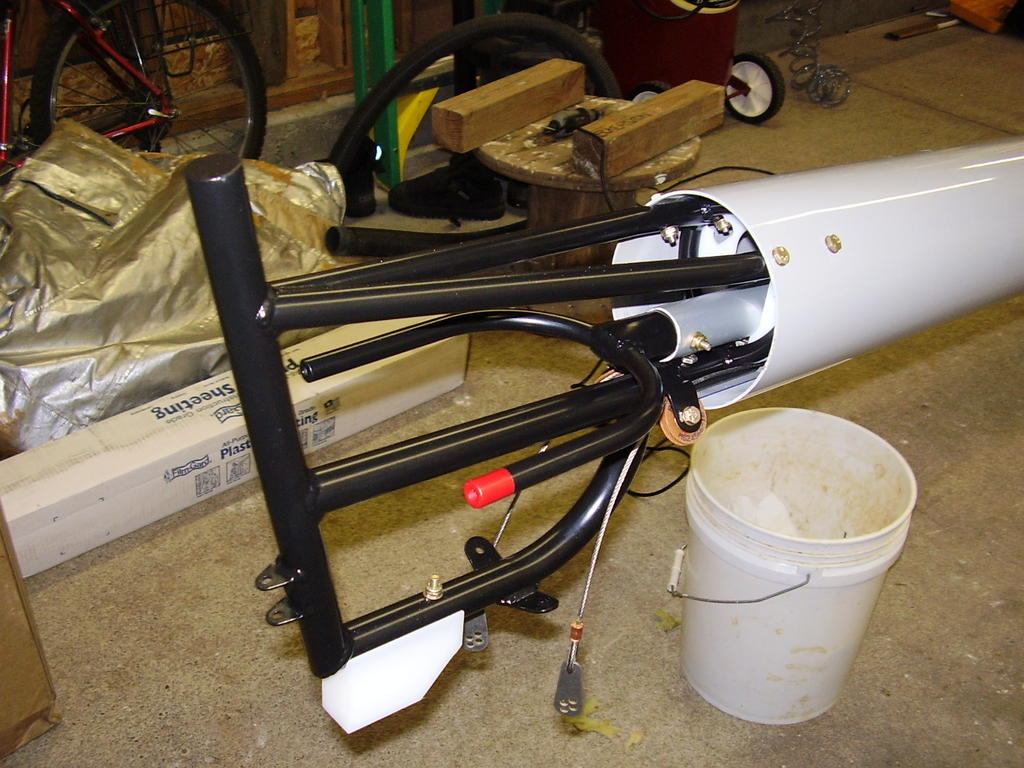
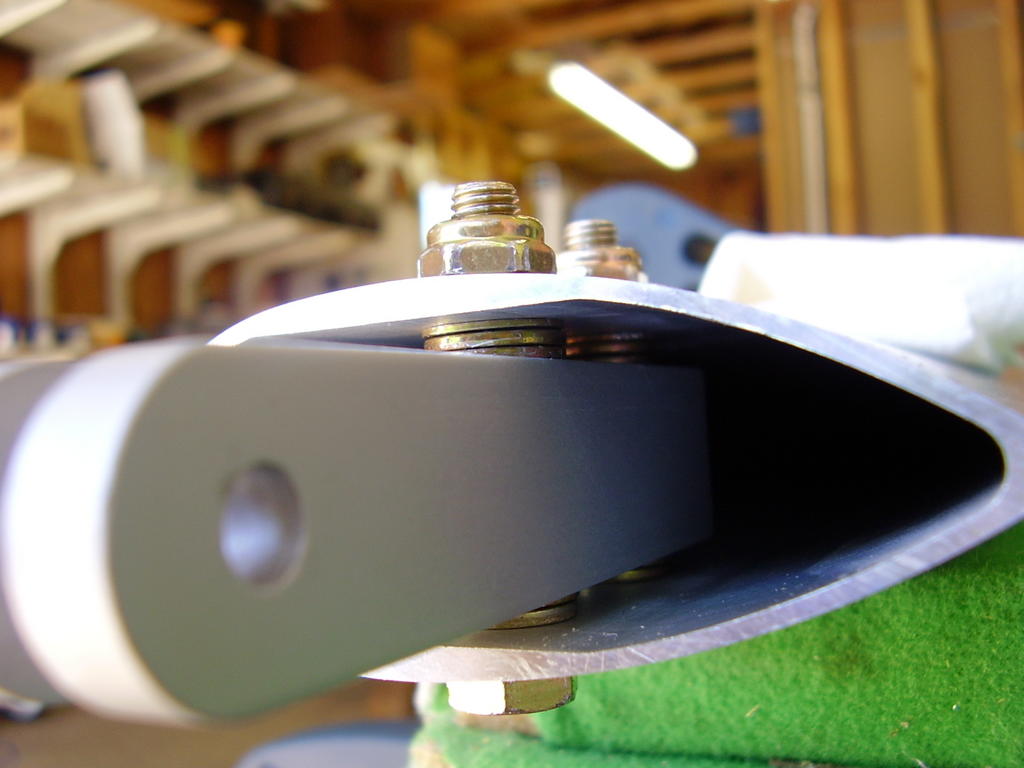
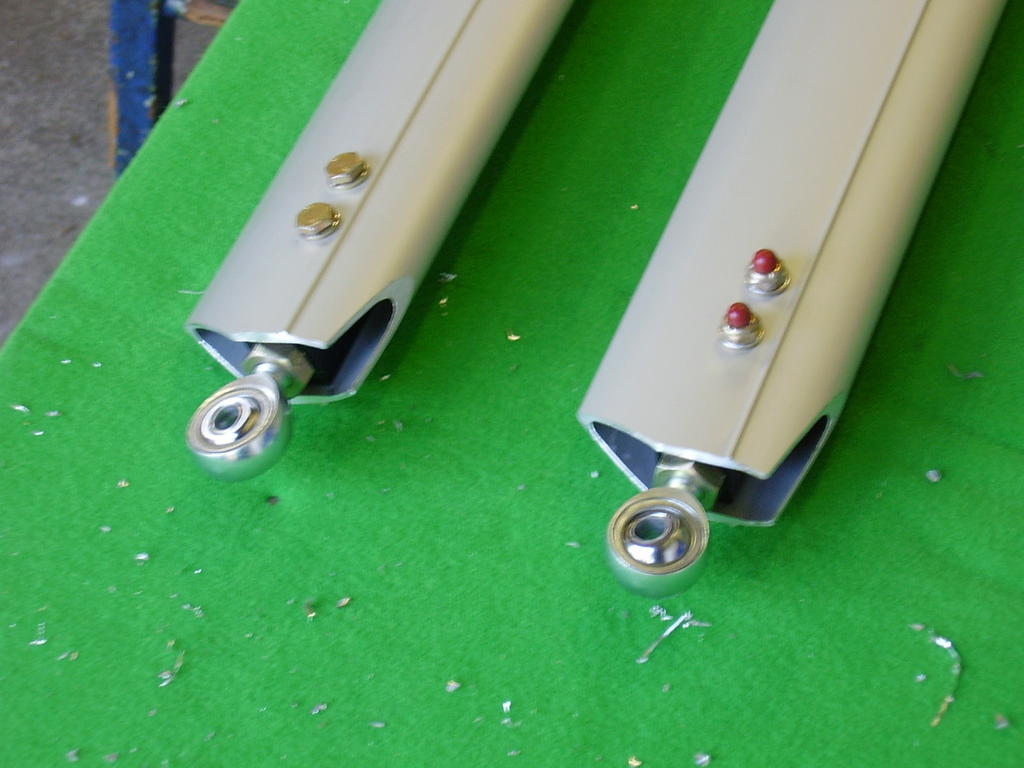
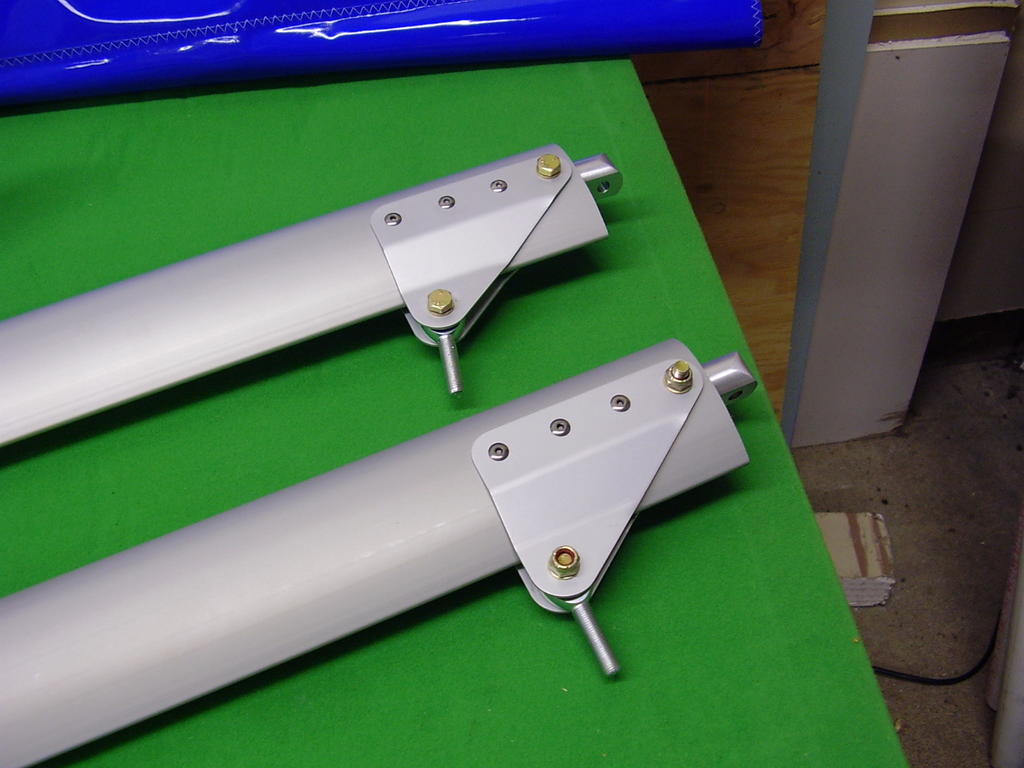
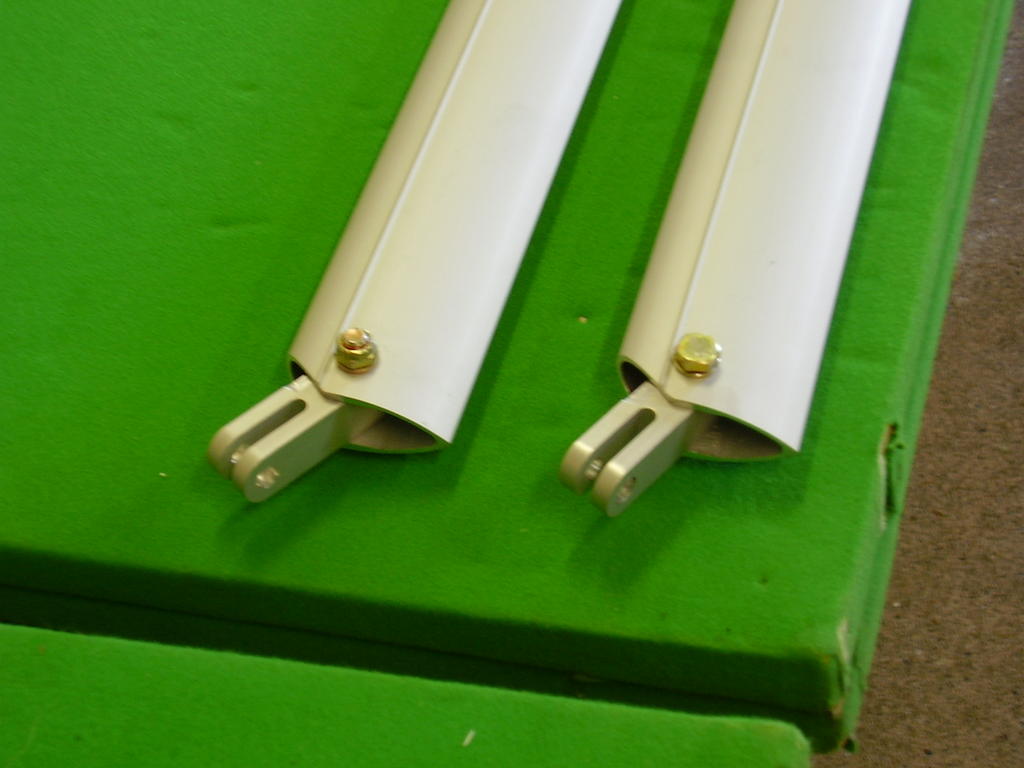
More photos.
Sunday, August 14, 2005
Sunday, July 31, 2005
Brakes, Elevator, and Steering Linkage - 1 hour (149 Total)
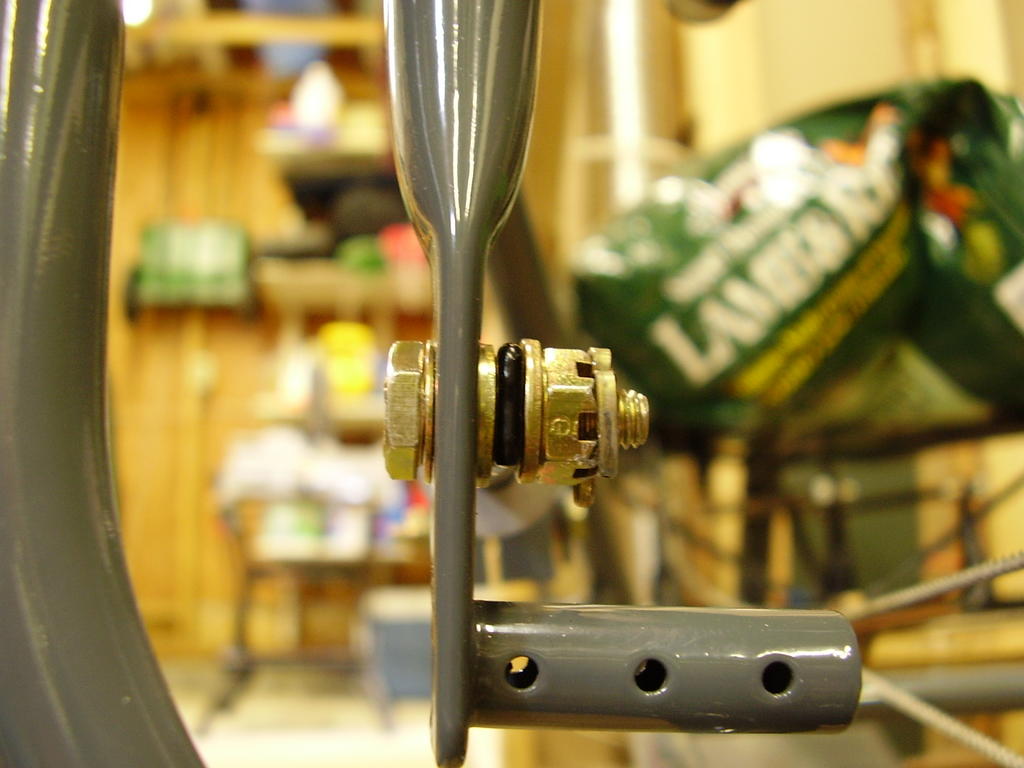
Today I added a 1" spacer between the toe brake pedal and the rudder pedal. This made the brake/rudder pedal much more comfortable to use. I will continue looking into a hand actuated brake system (cable or hydraulic) but this may be good enough if I give up on the idea of having a parking brake.
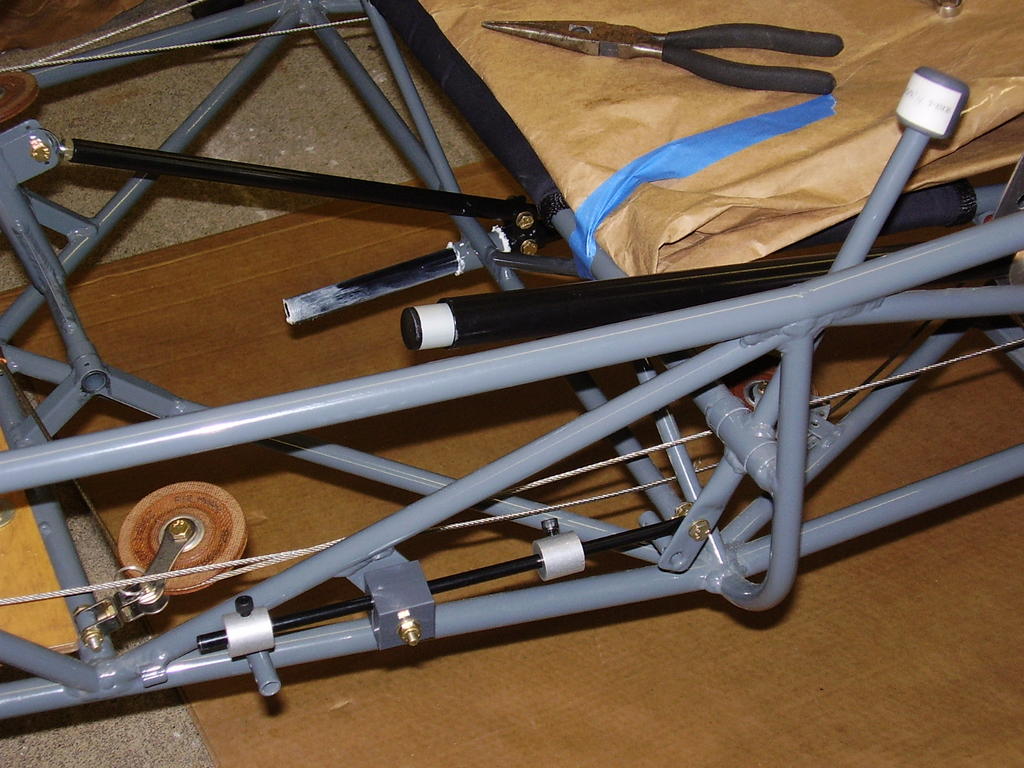
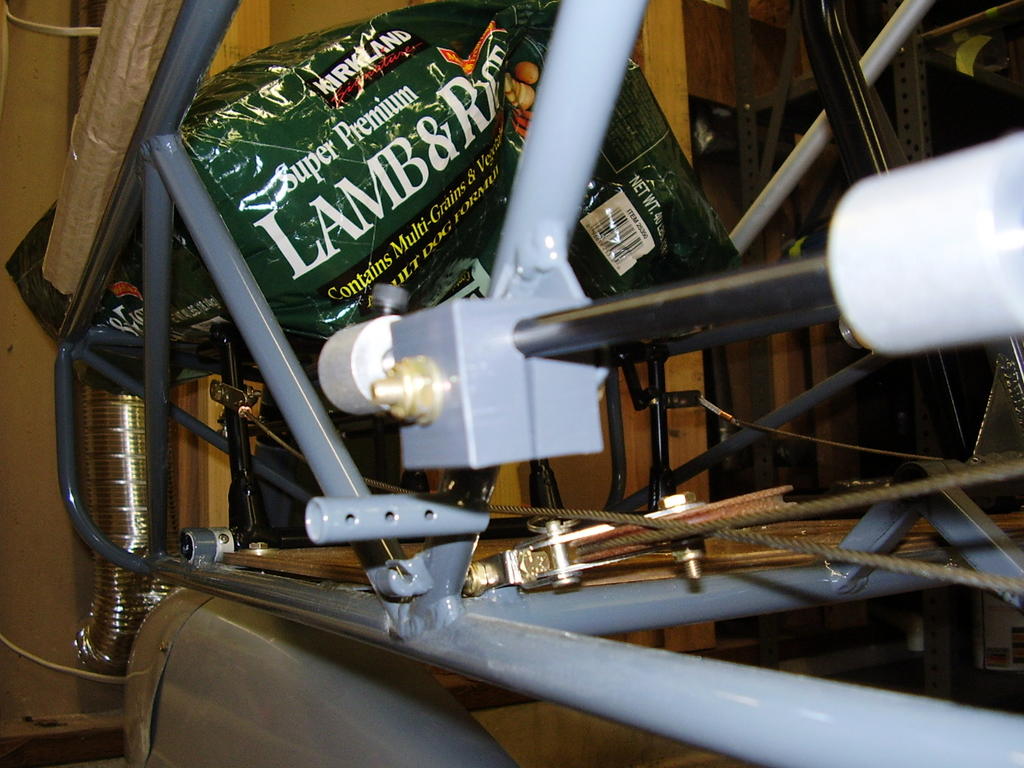
I also worked on my 5/8 inch elevator push pull tube to allow it to move more freely. I needed to sand out the inside of the frame welded sleeves which hold the tube in place. The tube would bind up (extra friction) when I sat in the seat; it would move freely when I wasn't in the seat. To make sure I sanded out enough, I placed a 40lbs bag of dog food in my lap while testing it's movement.
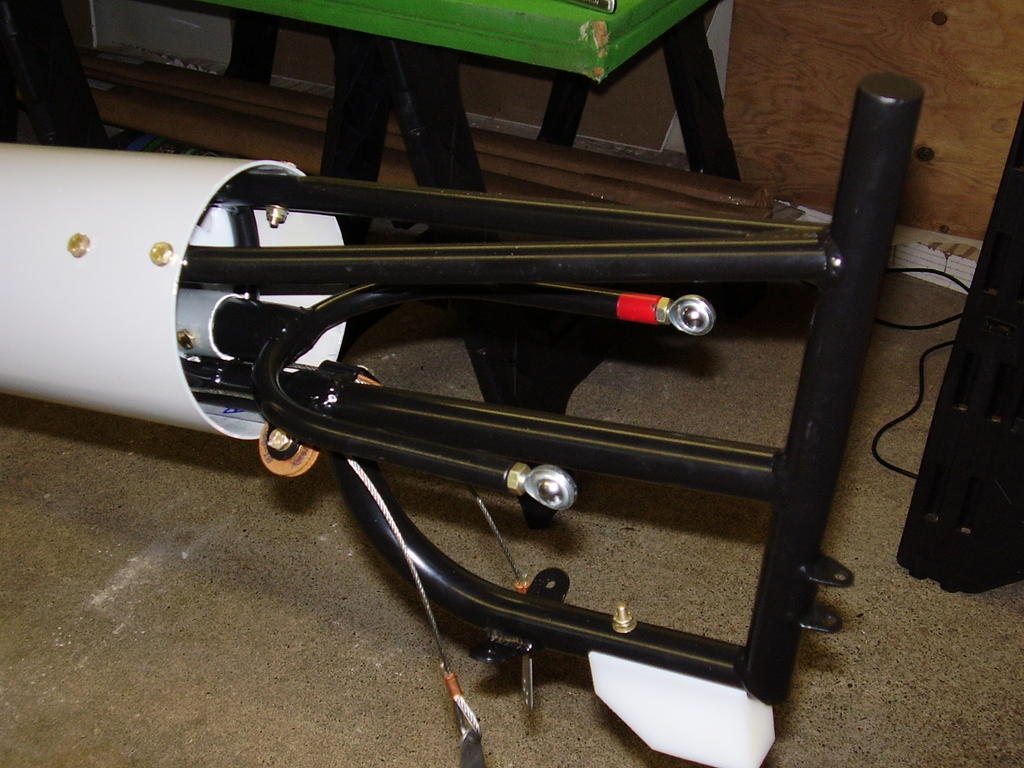
The last thing I did was adjust the linkage arms on the nose wheel steering yoke. The linkages needed adjusting to compensate for the offset the pedals have. I ended up backing out the forward right linkage arm so it only has the minimum number of threads holding it into place, six turns. The other three linkage arm ends are fully installed. If further alignment needs to be done, I can adjust the rear ends of the linkage arms. This can be done easily after the enclosure is installed.
Today I added a 1" spacer between the toe brake pedal and the rudder pedal. This made the brake/rudder pedal much more comfortable to use. I will continue looking into a hand actuated brake system (cable or hydraulic) but this may be good enough if I give up on the idea of having a parking brake.
I also worked on my 5/8 inch elevator push pull tube to allow it to move more freely. I needed to sand out the inside of the frame welded sleeves which hold the tube in place. The tube would bind up (extra friction) when I sat in the seat; it would move freely when I wasn't in the seat. To make sure I sanded out enough, I placed a 40lbs bag of dog food in my lap while testing it's movement.
The last thing I did was adjust the linkage arms on the nose wheel steering yoke. The linkages needed adjusting to compensate for the offset the pedals have. I ended up backing out the forward right linkage arm so it only has the minimum number of threads holding it into place, six turns. The other three linkage arm ends are fully installed. If further alignment needs to be done, I can adjust the rear ends of the linkage arms. This can be done easily after the enclosure is installed.
Thursday, July 28, 2005
Clear Coat - 0 Hours (Total ?)
I picked up my clear coated wings and tail pieces today from the paint shop. Since I didn't have my camera with me, you'll have to take my word that they came out nice. They had replaced both wing patches that cover the holes they sanded in the wings. The new patch look pretty good (for patches) and they did a decent job of clear coating the patches and the seam between them and the wing fabric.
I did notice some scuffs on the leading edge of one of the wings where they set it down on the concrete floor. Luckily most of these seem to come out with a little spit wash.
Even with all of the problems I had with the paint shop, I'm still happy with their work. They bent over backwards to get the job done right and more importantly, charged me very little for the work. Not counting the cost of the replaced vertical stabilizer skin, the paint shop charged me $550. I could easily see this price doubling or tripling if they would have charged me for all of the hours they put into it.
I picked up my clear coated wings and tail pieces today from the paint shop. Since I didn't have my camera with me, you'll have to take my word that they came out nice. They had replaced both wing patches that cover the holes they sanded in the wings. The new patch look pretty good (for patches) and they did a decent job of clear coating the patches and the seam between them and the wing fabric.
I did notice some scuffs on the leading edge of one of the wings where they set it down on the concrete floor. Luckily most of these seem to come out with a little spit wash.
Even with all of the problems I had with the paint shop, I'm still happy with their work. They bent over backwards to get the job done right and more importantly, charged me very little for the work. Not counting the cost of the replaced vertical stabilizer skin, the paint shop charged me $550. I could easily see this price doubling or tripling if they would have charged me for all of the hours they put into it.
Sunday, July 24, 2005
Brakes - 1 hour (148 Total)
Today I set up the left brake system to try it out and see if there is an easy way to create a parking brake mechanism.
I didn't have much problem installing the cables and cable housing but the routing is in question at the junction of the cockpit and the landing gear leg. It makes sense to allow the cable to route through the longerons the gear legs connect to before exiting the chassis to follow the gear leg but the housing lengths that the manual suggest to cut to (which I did) don't allow for this. I also found that the powder coat on the pedals is too thick to allow the use of the cable housing cap. Luckily the housing itself fits into the stop.
Once I connected the brake cable and was able to test the brake I found the brake was very uncomfortable to use. Since the toe lever sticks out towards my feet, I either have to always have the brake engaged or position my foot at an uncomfortable position to only touch the rudder pedal. I foresee this being a dangerous way to fly since I would have to remove my feet from the rudder to apply the brakes.
I'll need to look into modifying the brake system to use a hand actuator.
Today I set up the left brake system to try it out and see if there is an easy way to create a parking brake mechanism.
I didn't have much problem installing the cables and cable housing but the routing is in question at the junction of the cockpit and the landing gear leg. It makes sense to allow the cable to route through the longerons the gear legs connect to before exiting the chassis to follow the gear leg but the housing lengths that the manual suggest to cut to (which I did) don't allow for this. I also found that the powder coat on the pedals is too thick to allow the use of the cable housing cap. Luckily the housing itself fits into the stop.
Once I connected the brake cable and was able to test the brake I found the brake was very uncomfortable to use. Since the toe lever sticks out towards my feet, I either have to always have the brake engaged or position my foot at an uncomfortable position to only touch the rudder pedal. I foresee this being a dangerous way to fly since I would have to remove my feet from the rudder to apply the brakes.
I'll need to look into modifying the brake system to use a hand actuator.
Saturday, July 16, 2005
Wheel Pants - 5 hours (147 Total)
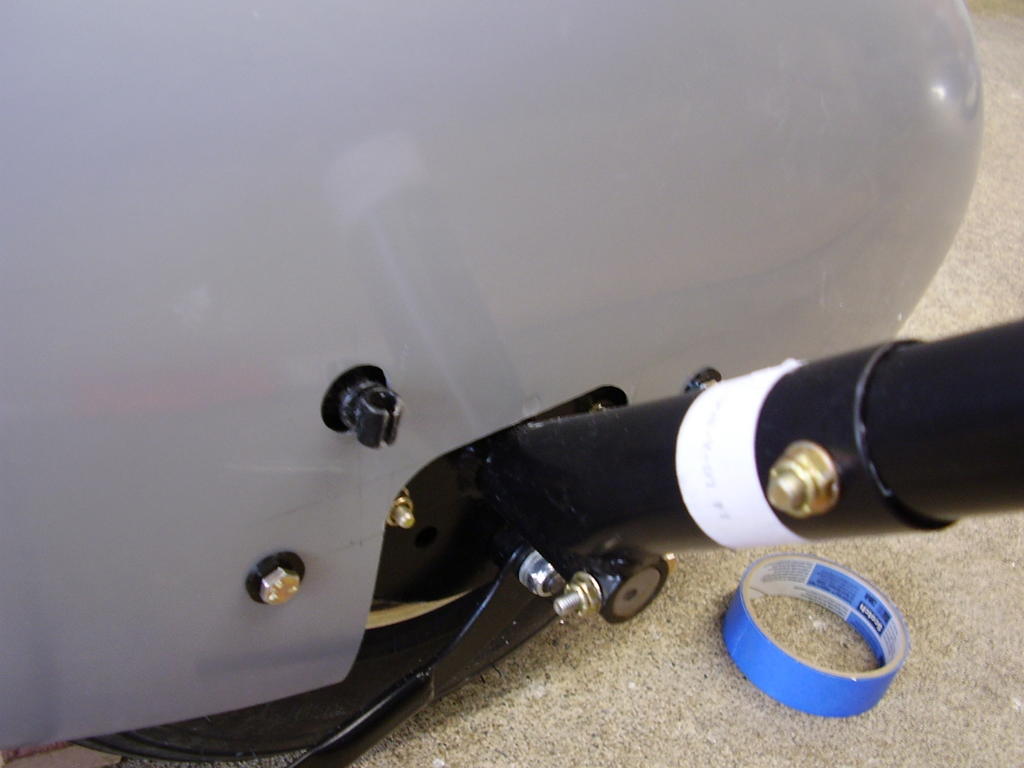
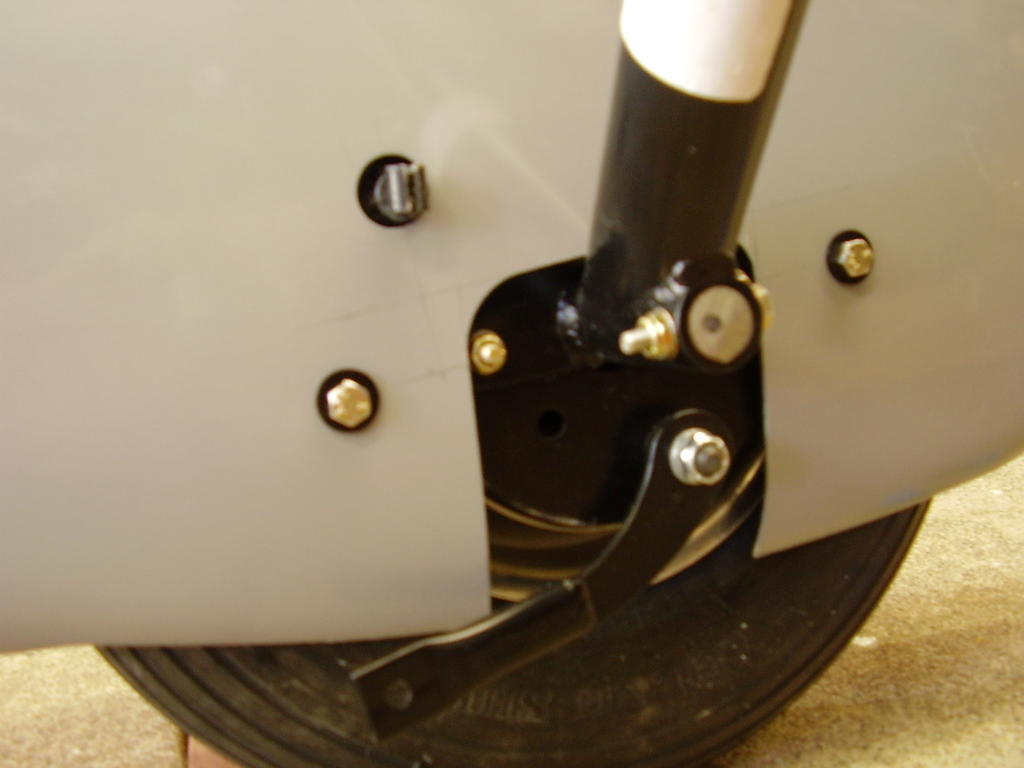
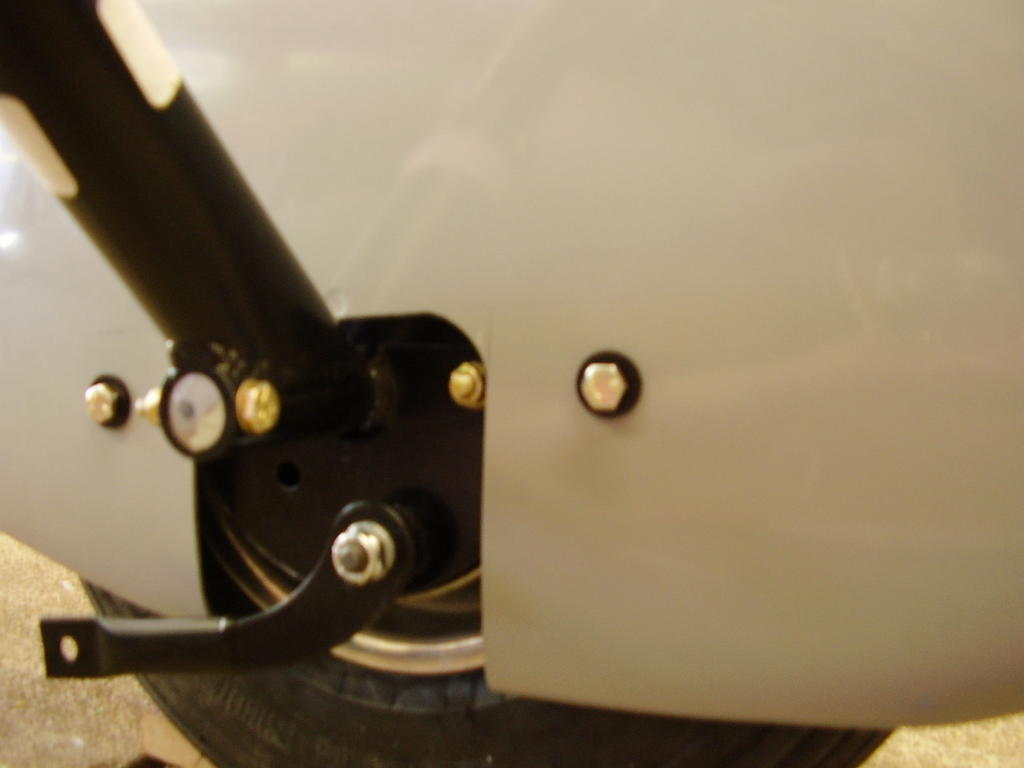
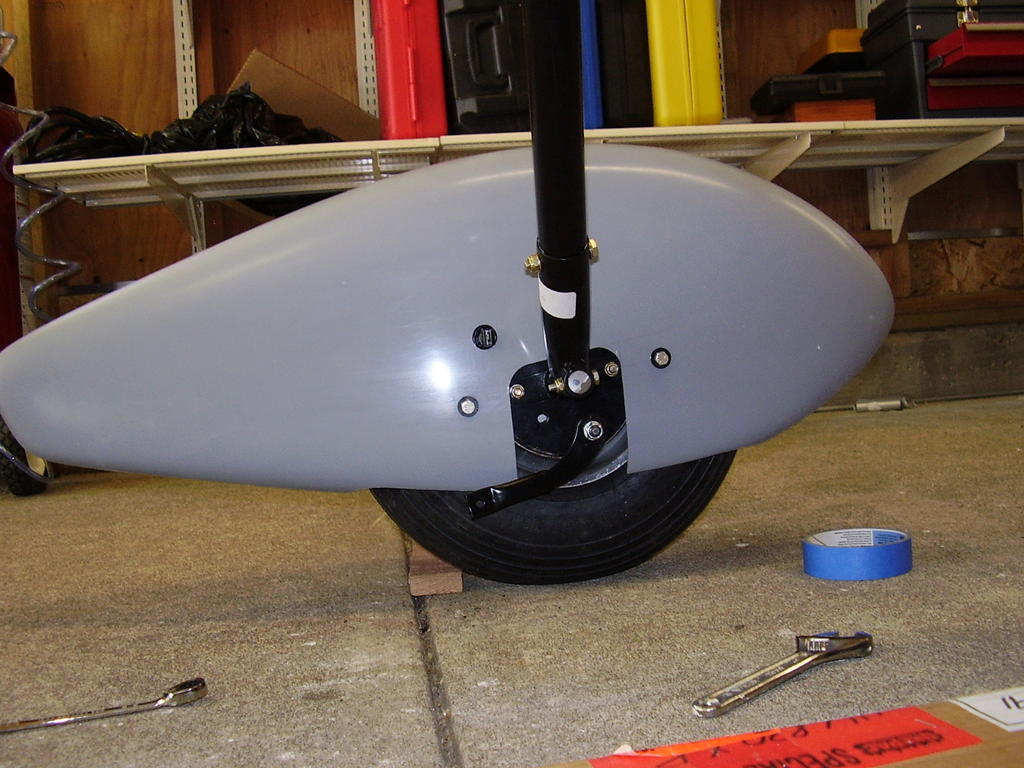
Today I finished the wheel pants. I transferred the dimensions for the brake and axle cutouts over to the pants. Luckily, before I made any cuts, I noticed that the 30 degree angle I thought the brake stop was at, wasn't correct. I ended up making templates out of a Manila folder to get the proper location which took several iterations of templates.
I made some 1/4 inch spacers out of nylon to go in between the wheel pant and brake assembly. This allowed the wheel pant to sit more centered over the tire. I will rivet these to the wheel pants after painting.
Once I had the pants cut to fit and mountable, I had the main wheels balanced at a motorcycle shop. I still need to balance the nose wheel.
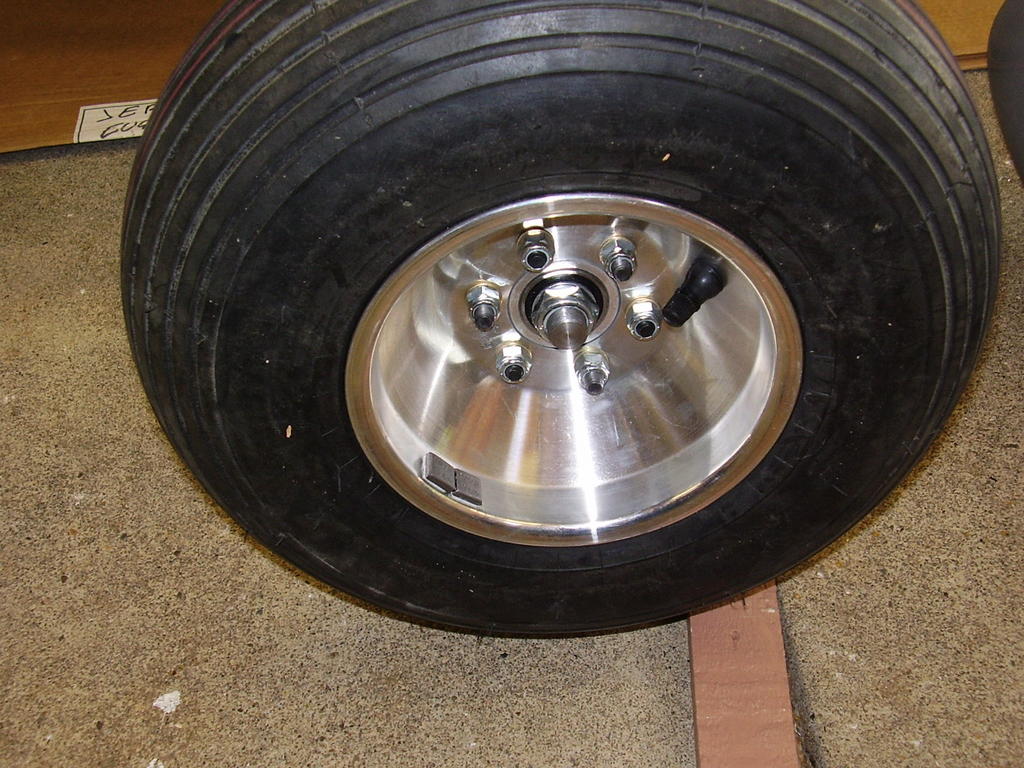
I then bolted the wheels to the axles using a new 7/8 inch socket I needed that would fit the axle lock nut. I tightened the nut until it was snug then backed it off until the wheel spun freely.
I then attached the main wheel pant and cleaned up the tire exit hole with my Dremel until it had at least 1/4 inch of clearance.
I also trimmed the nose wheel pant to give that tire a 1/4 inch of clearance around the tire.


Today I finished the wheel pants. I transferred the dimensions for the brake and axle cutouts over to the pants. Luckily, before I made any cuts, I noticed that the 30 degree angle I thought the brake stop was at, wasn't correct. I ended up making templates out of a Manila folder to get the proper location which took several iterations of templates.
I made some 1/4 inch spacers out of nylon to go in between the wheel pant and brake assembly. This allowed the wheel pant to sit more centered over the tire. I will rivet these to the wheel pants after painting.
Once I had the pants cut to fit and mountable, I had the main wheels balanced at a motorcycle shop. I still need to balance the nose wheel.
I then bolted the wheels to the axles using a new 7/8 inch socket I needed that would fit the axle lock nut. I tightened the nut until it was snug then backed it off until the wheel spun freely.
I then attached the main wheel pant and cleaned up the tire exit hole with my Dremel until it had at least 1/4 inch of clearance.
I also trimmed the nose wheel pant to give that tire a 1/4 inch of clearance around the tire.


Thursday, July 14, 2005
Flap Lever and Trim Wheel - 2.5 Hours (142 Total)
Today I started by replacing the bolt that holds the horizontal stabilizer tangs below the tail boom with the AN3-6A bolts that Rans sent me. This replaces the bolt that was too long.
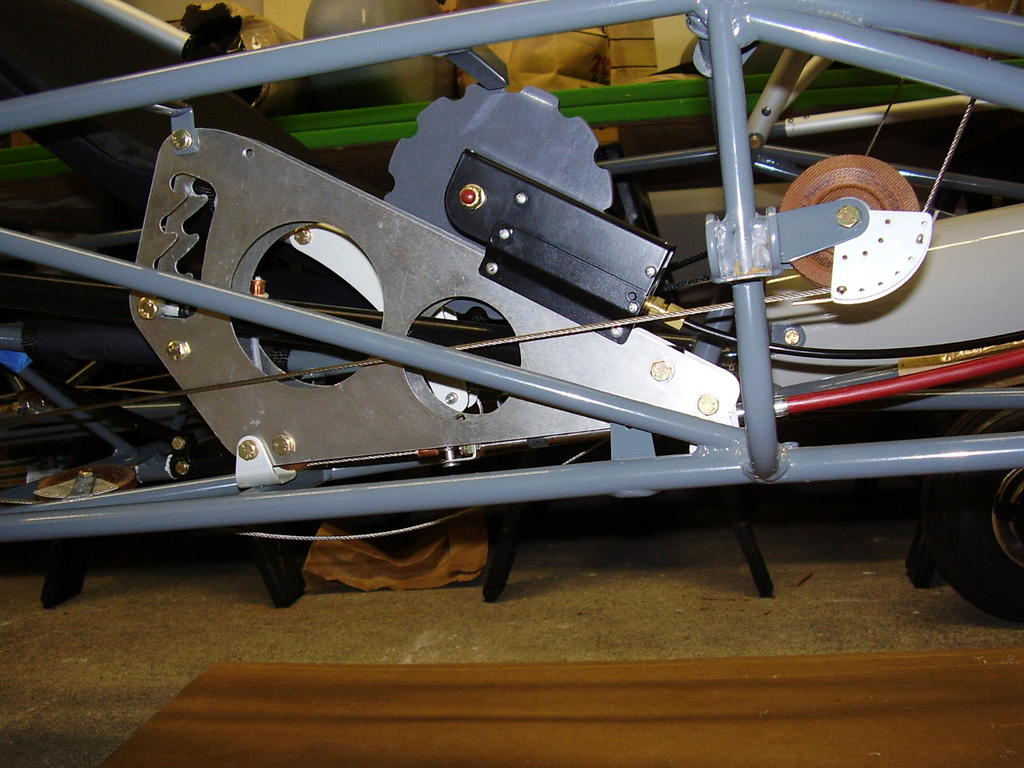
I then drilled a new hole in the frame for the flap lever assembly. This new hole, which is approximately 5/16 of an inch from the original hole, allows the aileron cable to move freely without rubbing on the flap lever assembly. Rans recommend this fix.
I then mounted the trim wheel to the top of the flap lever assembly. I left the flap lever assembly in place while I mounted the trim wheel since it would have been difficult to remove the flap cable from the flap retention springs. I mounted the trim wheel as low as possible while still allowing the trim cable enough length to bend around the frame members. I routed the cable in a large loop prior to entering the tail boom. This will help reduce the resistance in the cable than using tight curves to get into the tail boom more directly.
When I threaded the trim cable into the housing, it's sharp edge shaved off some of the plastic inside of the housing. These shavings built up and jammed, prevented the cable from going any farther. I ended up having to cut the housing four feet shorter to allow the cable to push all the way through. Hopefully the housing isn't too short.


Today I started by replacing the bolt that holds the horizontal stabilizer tangs below the tail boom with the AN3-6A bolts that Rans sent me. This replaces the bolt that was too long.
I then drilled a new hole in the frame for the flap lever assembly. This new hole, which is approximately 5/16 of an inch from the original hole, allows the aileron cable to move freely without rubbing on the flap lever assembly. Rans recommend this fix.
I then mounted the trim wheel to the top of the flap lever assembly. I left the flap lever assembly in place while I mounted the trim wheel since it would have been difficult to remove the flap cable from the flap retention springs. I mounted the trim wheel as low as possible while still allowing the trim cable enough length to bend around the frame members. I routed the cable in a large loop prior to entering the tail boom. This will help reduce the resistance in the cable than using tight curves to get into the tail boom more directly.
When I threaded the trim cable into the housing, it's sharp edge shaved off some of the plastic inside of the housing. These shavings built up and jammed, prevented the cable from going any farther. I ended up having to cut the housing four feet shorter to allow the cable to push all the way through. Hopefully the housing isn't too short.


Sunday, July 10, 2005
Vertical Stabilizer re-skinning - 3 Hours (139.5 Total)
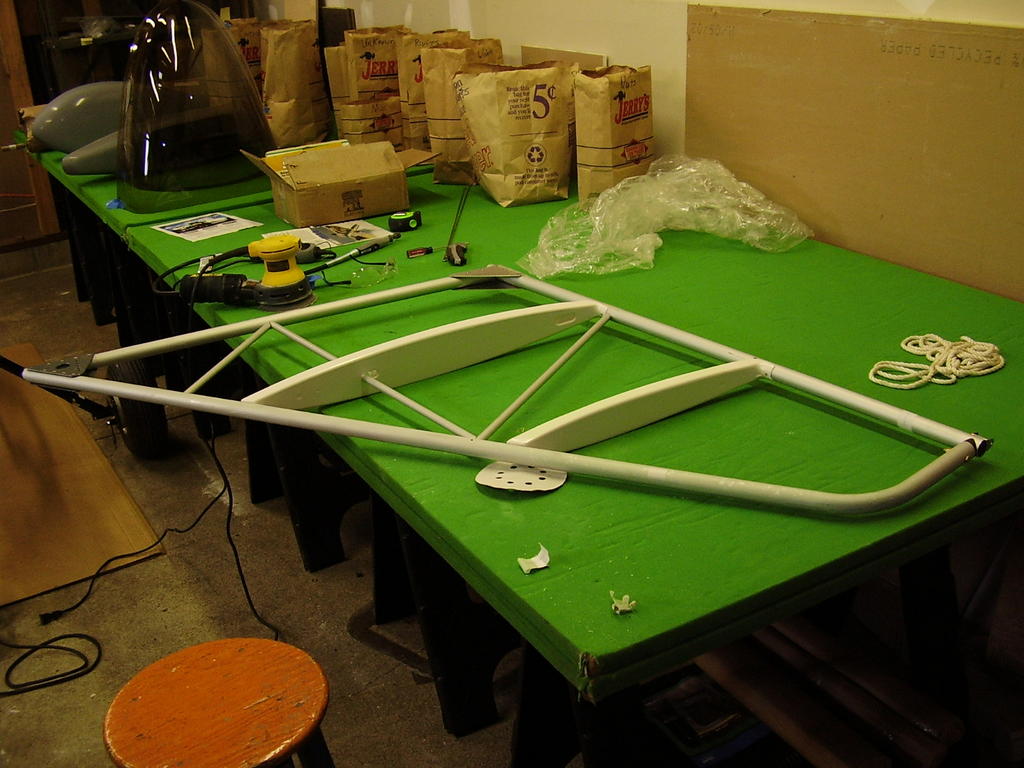
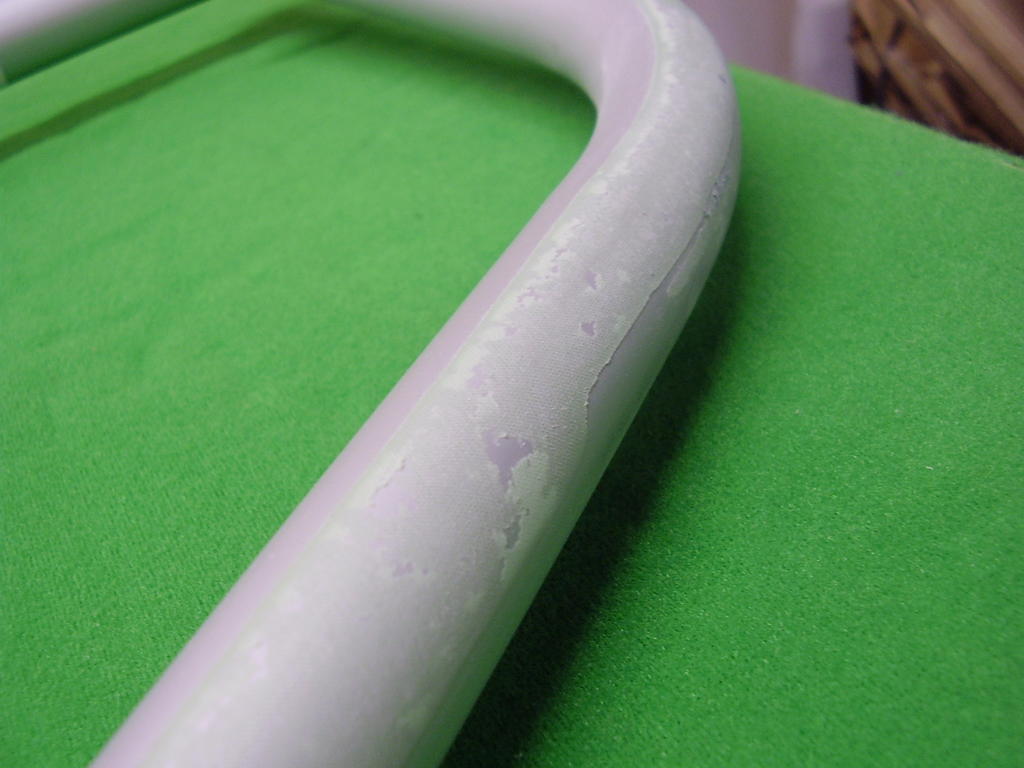
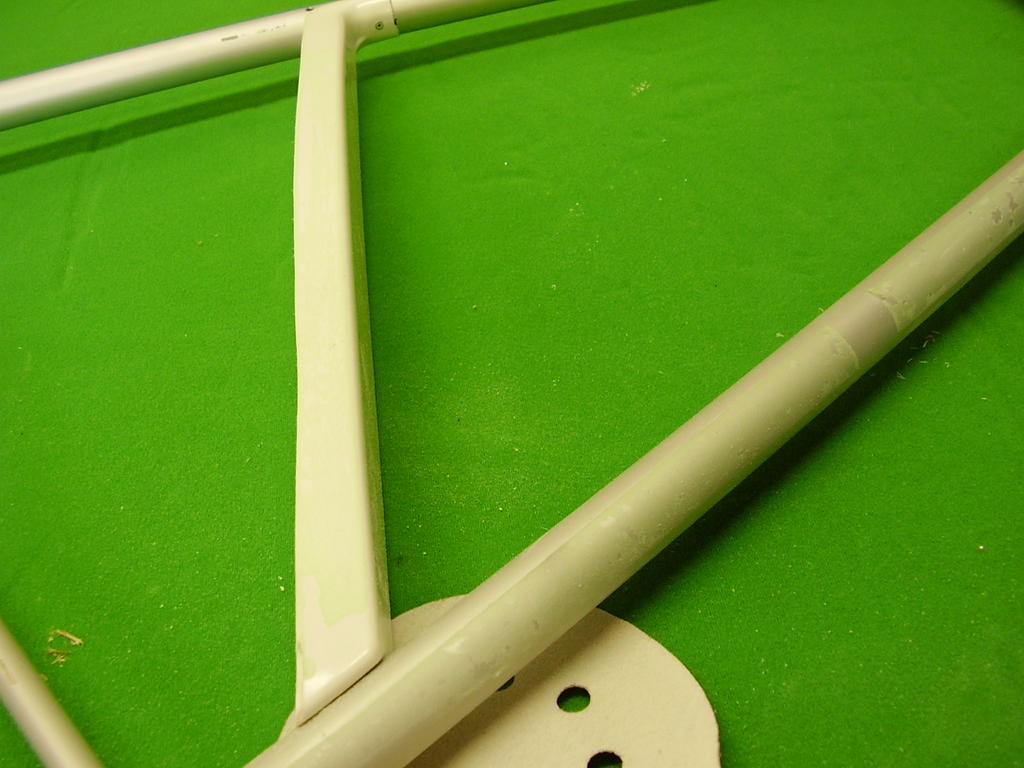
Today I replaced the skin on the vertical stabilizer. I needed to cut the original skin off because the clear coat seeped through the skin and effectively glued the skin to the frame. I spent some time fighting with the skin before I realized this. I then sanded the dried clear coat off of the frame. I then modified the plastic ribs so they would flex a little more and not bulge from the skin. I then skinned the stabilizer with the new skin I bought from Rans for $85. I used some nylon rope from the hardware store that was a little bit larger in diameter than what Rans provided but it worked just as well. The vertical stabilizer is ready for clear coat... Again.


Today I replaced the skin on the vertical stabilizer. I needed to cut the original skin off because the clear coat seeped through the skin and effectively glued the skin to the frame. I spent some time fighting with the skin before I realized this. I then sanded the dried clear coat off of the frame. I then modified the plastic ribs so they would flex a little more and not bulge from the skin. I then skinned the stabilizer with the new skin I bought from Rans for $85. I used some nylon rope from the hardware store that was a little bit larger in diameter than what Rans provided but it worked just as well. The vertical stabilizer is ready for clear coat... Again.


Thursday, July 07, 2005
Wheel pants and Axles - 3.5 Hours (136.5 Total)
Today I received the new wheel pant and longer axles along with some other hardware I ordered from Rans.
I drilled the hole that holds the stopper bolt into the main gear axles and installed them onto the landing gear.
I then spent 2.5 hours determining the proper location for the axle bolt hole in the wheel pants and proper angle of the wheel pants. The trashed wheel pant came in handy as a test piece during the process. I determined that the axle hole needs to 7/8 of an inch below the dimples in the wheel pants. This gives a half inch of clearance between the top of the tire and the inside of the wheel pant.
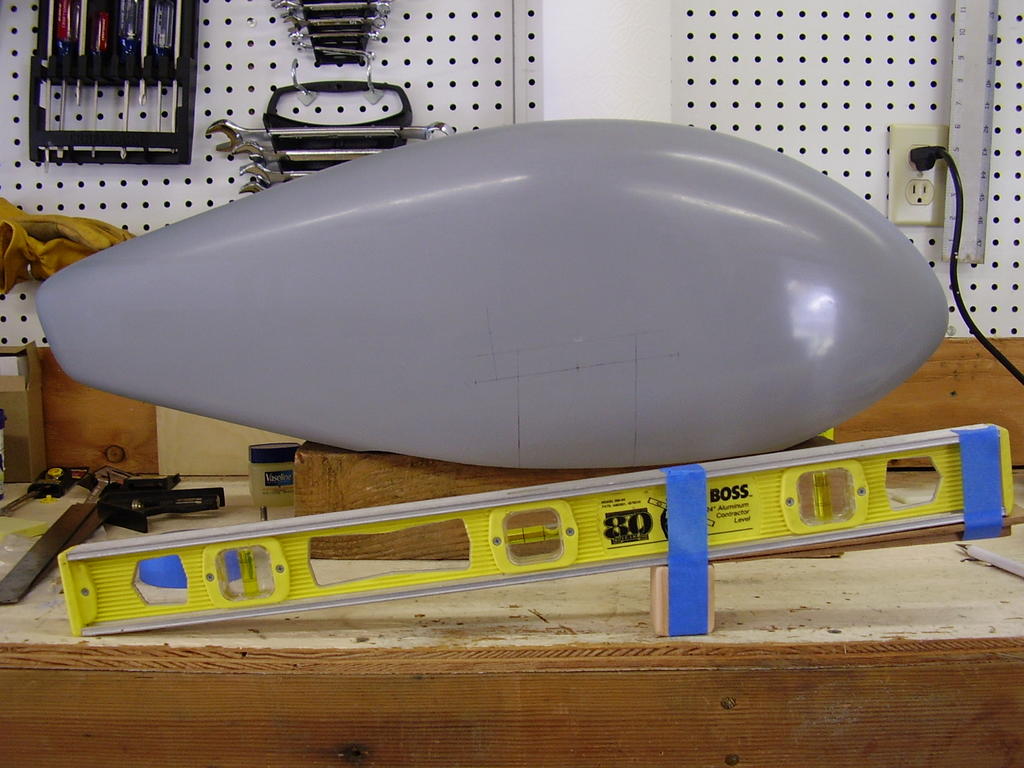
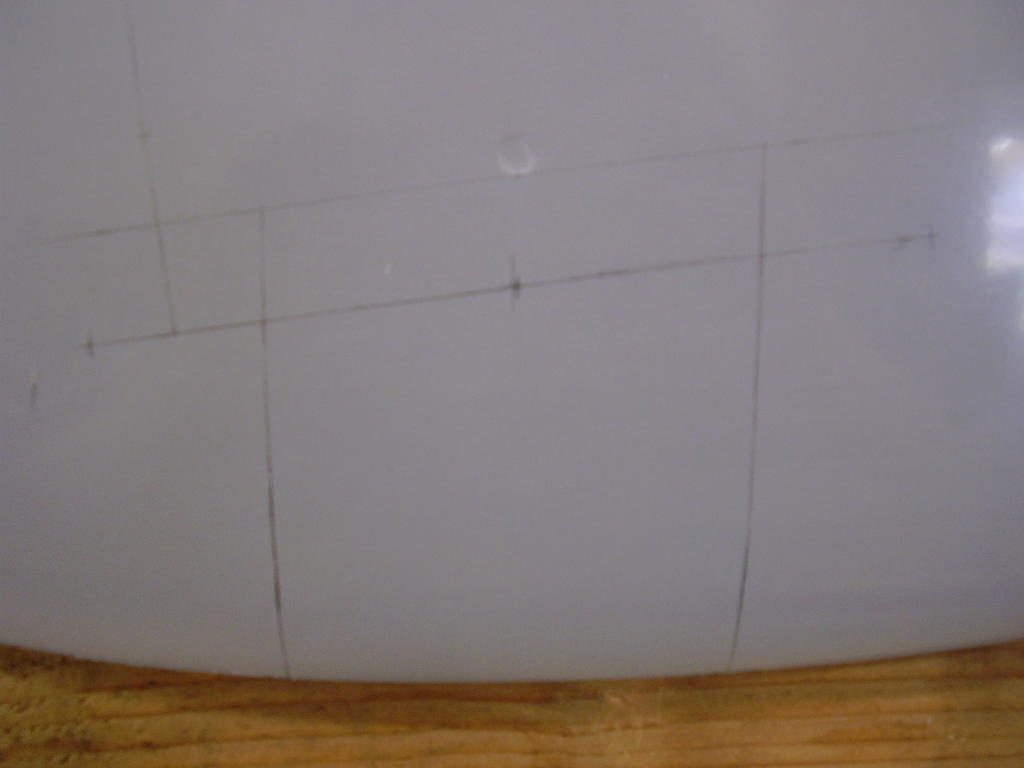
I was able to determine the proper mounting angle of the wheel pant by letting the plane rest on its main wheels and the tail skid. I rotated the pant until the flat edge on the pant was parallel to the ground, ~1.75 inch above the ground. To achieve this mounting angle, I sat the wheel pant on a piece of 4x4 lumber that let the wheel pant rest on the leading and trailing edge of the hole cut out for the wheel. I considered this level for the wheel pant. Then I drew a line on the wheel pant that had a 1.5" rise over a 12" run and intersected the axle center point. I did this by taping a small block on a 24" straight edge at a point that raised the end of the straight edge 3" off the surface. I then drilled holes for the bolts that attach the wheel pant to the brake mechanism. These holes are 3" from the axle center point on the line drawn on the wheel pant. This assumes that the bolts which hold the axle socket to the brake mechanism are in line with the wheel pant attach bolts. I then figured that the location of the brake housing stop should be at 30 degrees from the line and 2.75 inches from the axle center (this turned out to be the wrong location). At this location I would drill a 3/4 inch hole out for the brake housing stop.
Today I received the new wheel pant and longer axles along with some other hardware I ordered from Rans.
I drilled the hole that holds the stopper bolt into the main gear axles and installed them onto the landing gear.
I then spent 2.5 hours determining the proper location for the axle bolt hole in the wheel pants and proper angle of the wheel pants. The trashed wheel pant came in handy as a test piece during the process. I determined that the axle hole needs to 7/8 of an inch below the dimples in the wheel pants. This gives a half inch of clearance between the top of the tire and the inside of the wheel pant.
I was able to determine the proper mounting angle of the wheel pant by letting the plane rest on its main wheels and the tail skid. I rotated the pant until the flat edge on the pant was parallel to the ground, ~1.75 inch above the ground. To achieve this mounting angle, I sat the wheel pant on a piece of 4x4 lumber that let the wheel pant rest on the leading and trailing edge of the hole cut out for the wheel. I considered this level for the wheel pant. Then I drew a line on the wheel pant that had a 1.5" rise over a 12" run and intersected the axle center point. I did this by taping a small block on a 24" straight edge at a point that raised the end of the straight edge 3" off the surface. I then drilled holes for the bolts that attach the wheel pant to the brake mechanism. These holes are 3" from the axle center point on the line drawn on the wheel pant. This assumes that the bolts which hold the axle socket to the brake mechanism are in line with the wheel pant attach bolts. I then figured that the location of the brake housing stop should be at 30 degrees from the line and 2.75 inches from the axle center (this turned out to be the wrong location). At this location I would drill a 3/4 inch hole out for the brake housing stop.
Sunday, July 03, 2005
Brakes - 5 hour (133 Total)
Today I did several different things. First, I bolted the hummertangs to the bottom end of the tail boom. The bolt appears to be too long. It bottoms out on the nut plate and there is about 1-2 mm of play.
I then attached the eye bolts to the ends to the elevator yoke.
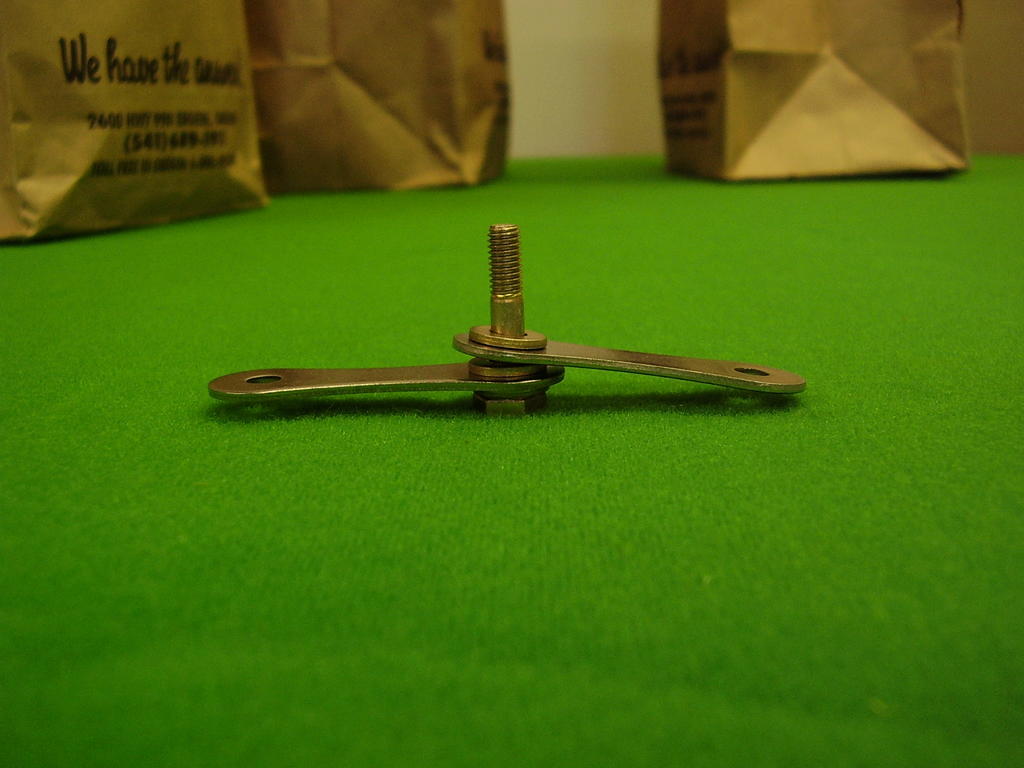
I then installed the throttle mechanism. I needed to make several modification to allow the system to move more smoothly. First, I bolted the friction rod onto the inside of the throttle lever. The manual shows the friction rod on the outside of the lever but in this configuration, the rod isn't lined up with the friction block opening. This causes the friction to vary depending on where the throttle lever is at. I also rearranged the washers so there was one washer between all three components, the rod, the lever, nut, and bolt head. These two modifications may cause interference with the closest of the three throttle cables but I only plan to use two.
The second modification I needed to make was to rotate the friction block so the slit pointed down. This lowers the friction rod which gives one of the throttle stops the clearance is need. It was hitting part of the frame.
I also needed to drill out the throttle knob to 7/16. I plan to have a nicer throttle knob made out of wood. I can't make the newer knob too much larger because of the limited clearance between it and the flap lever.
I then installed the brackets for the instrument panel. I used tape to hold the brackets in place to test fit the Instrument Panel and Front Panel.
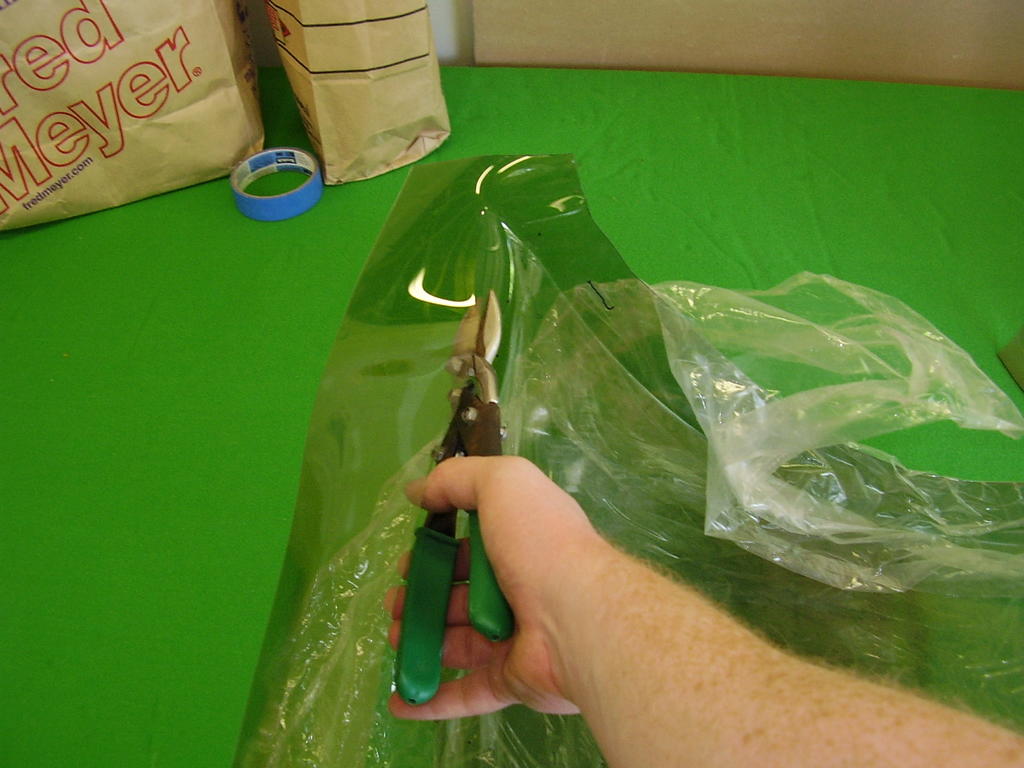
Finally, I cleaned up the two lexan nose pieces. I tried using tin snips to cut the lexan but this was difficult and didn't make a very clean cut. My Dremel Tool again saved the day! It cut through the lexan easily with a cutting disc.


Today I did several different things. First, I bolted the hummertangs to the bottom end of the tail boom. The bolt appears to be too long. It bottoms out on the nut plate and there is about 1-2 mm of play.
I then attached the eye bolts to the ends to the elevator yoke.
I then installed the throttle mechanism. I needed to make several modification to allow the system to move more smoothly. First, I bolted the friction rod onto the inside of the throttle lever. The manual shows the friction rod on the outside of the lever but in this configuration, the rod isn't lined up with the friction block opening. This causes the friction to vary depending on where the throttle lever is at. I also rearranged the washers so there was one washer between all three components, the rod, the lever, nut, and bolt head. These two modifications may cause interference with the closest of the three throttle cables but I only plan to use two.
The second modification I needed to make was to rotate the friction block so the slit pointed down. This lowers the friction rod which gives one of the throttle stops the clearance is need. It was hitting part of the frame.
I also needed to drill out the throttle knob to 7/16. I plan to have a nicer throttle knob made out of wood. I can't make the newer knob too much larger because of the limited clearance between it and the flap lever.
I then installed the brackets for the instrument panel. I used tape to hold the brackets in place to test fit the Instrument Panel and Front Panel.
Finally, I cleaned up the two lexan nose pieces. I tried using tin snips to cut the lexan but this was difficult and didn't make a very clean cut. My Dremel Tool again saved the day! It cut through the lexan easily with a cutting disc.


Saturday, July 02, 2005
Tail Boom - 6 hours (127 Total)
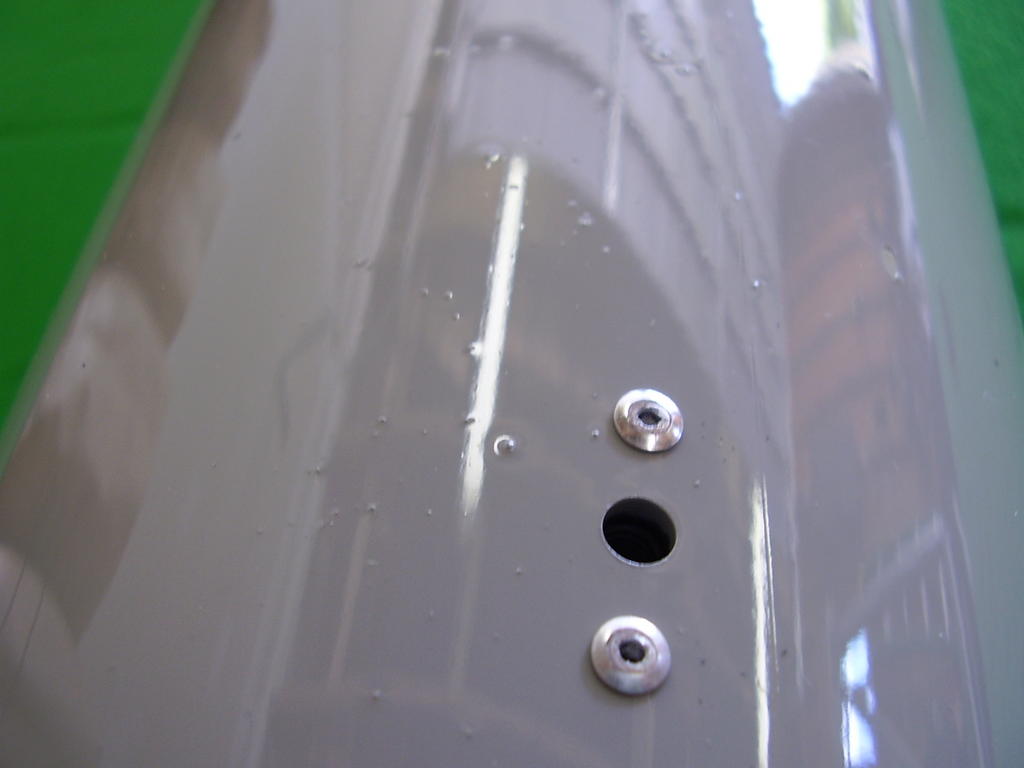
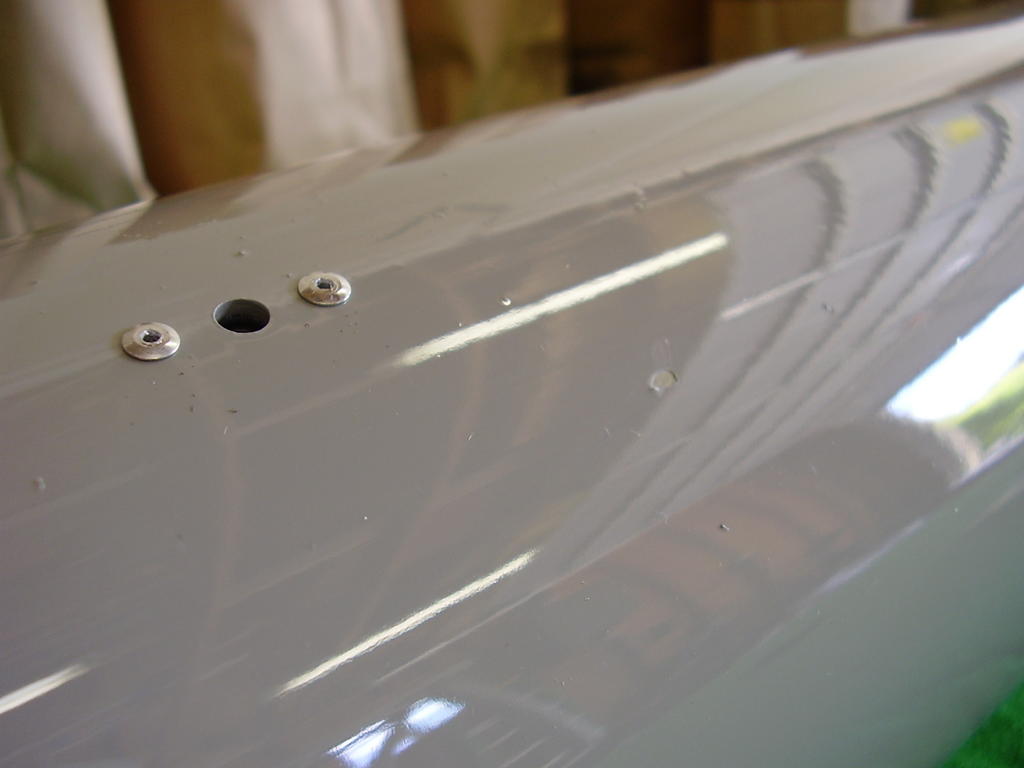
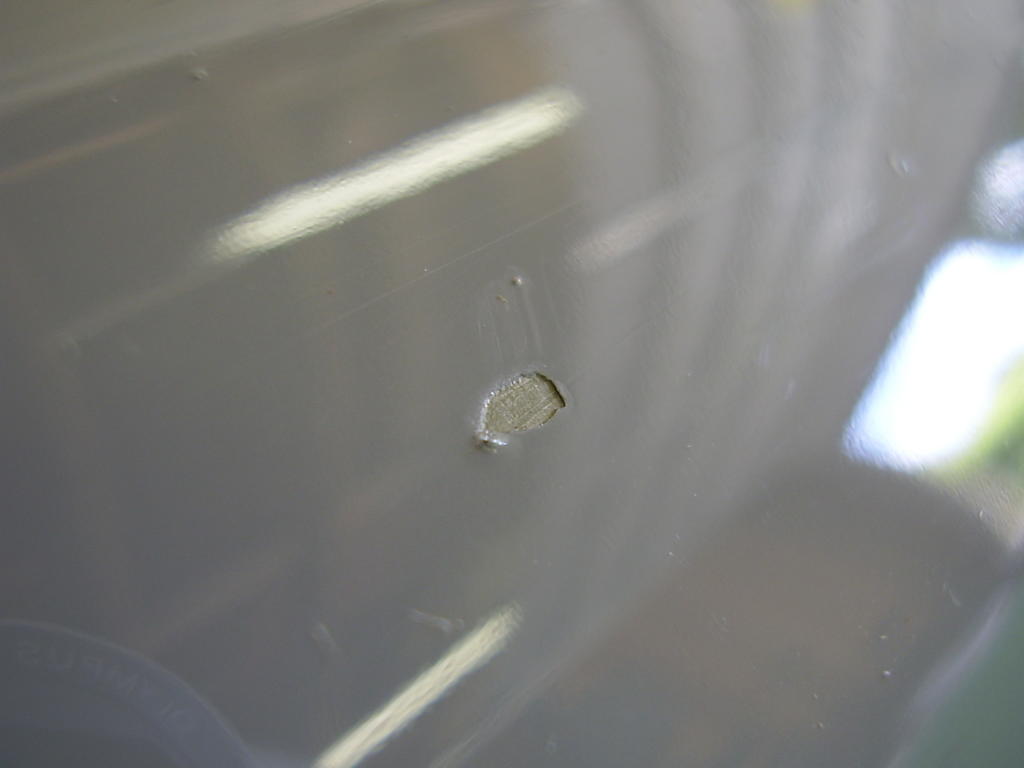
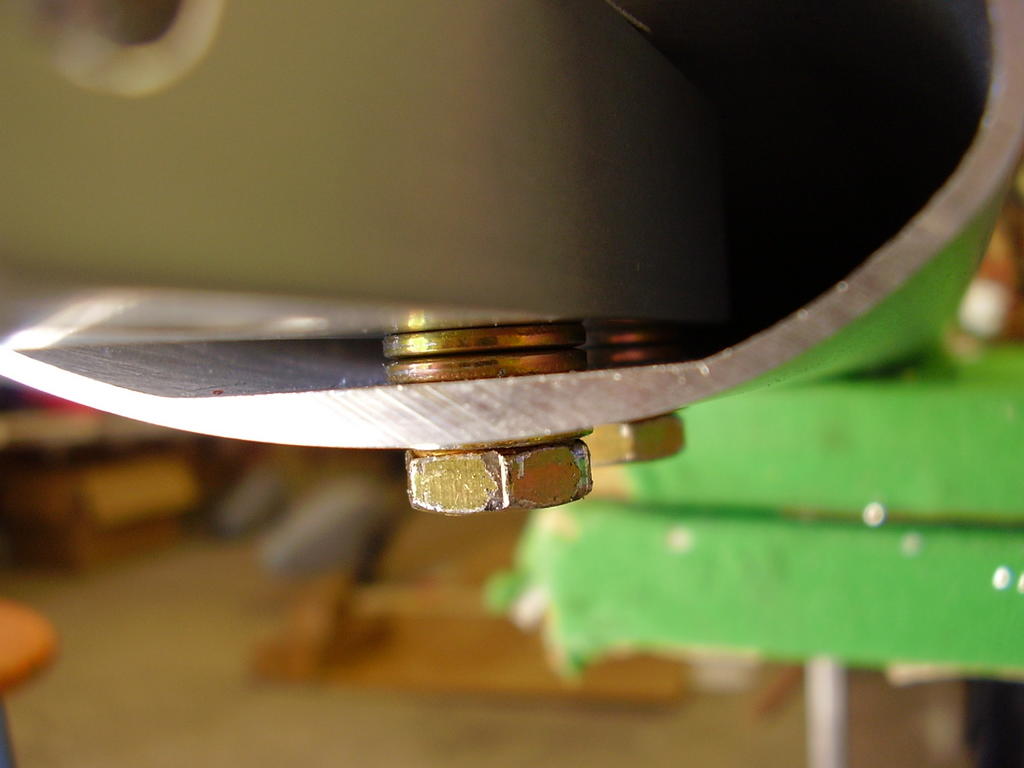
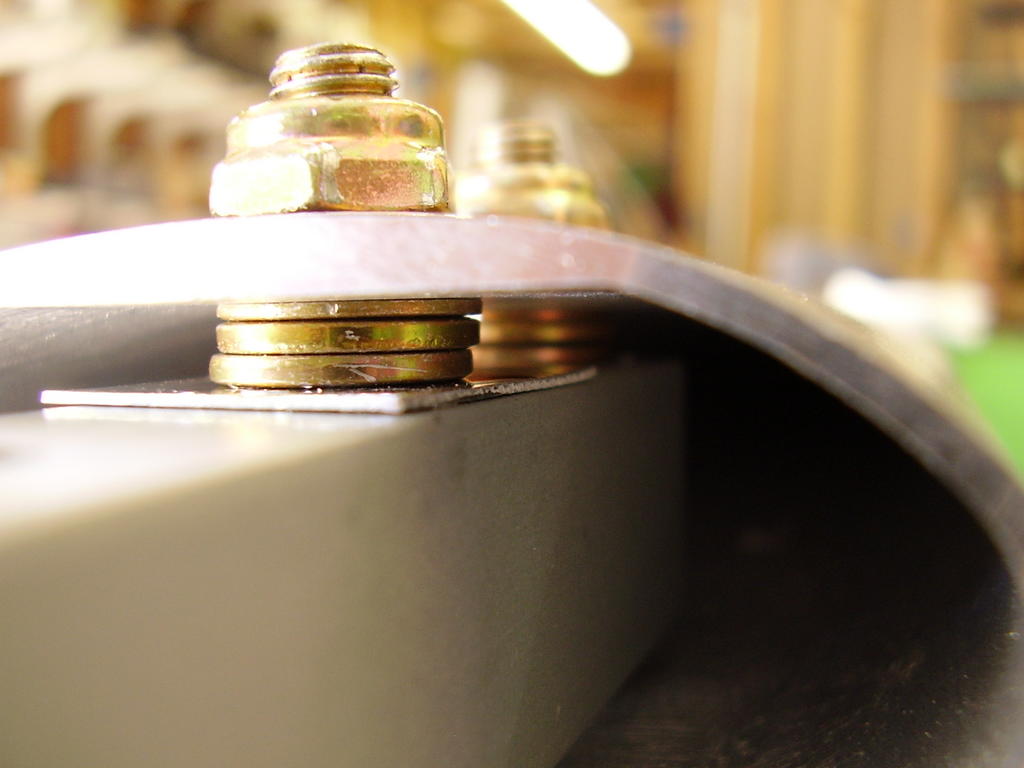
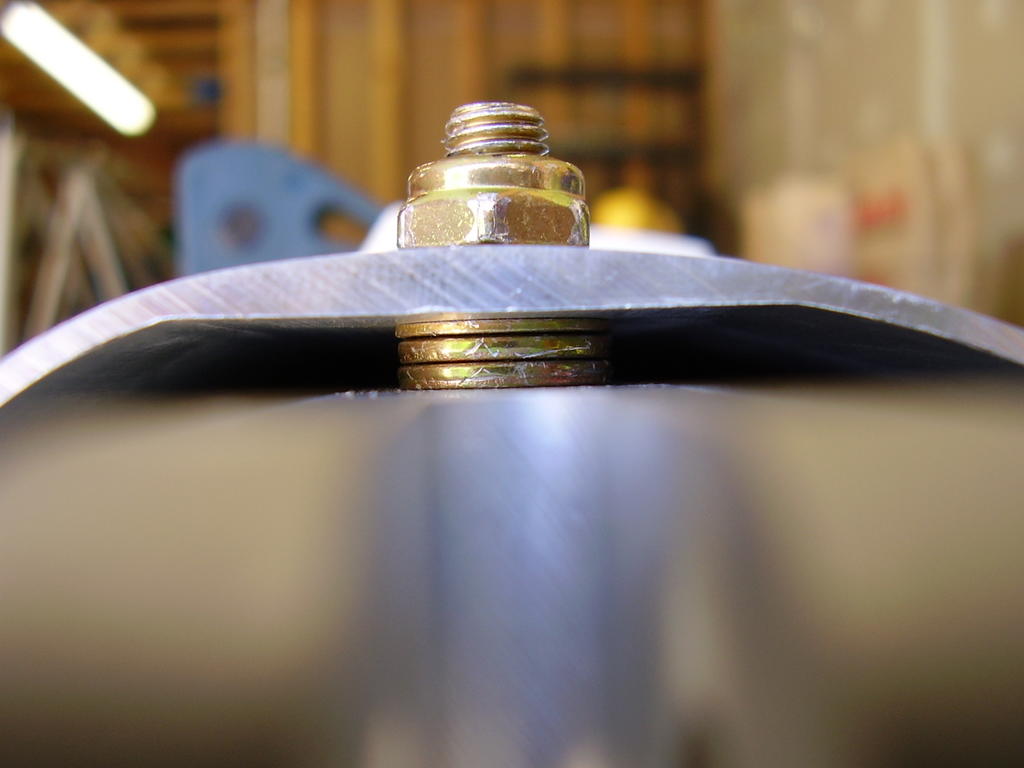
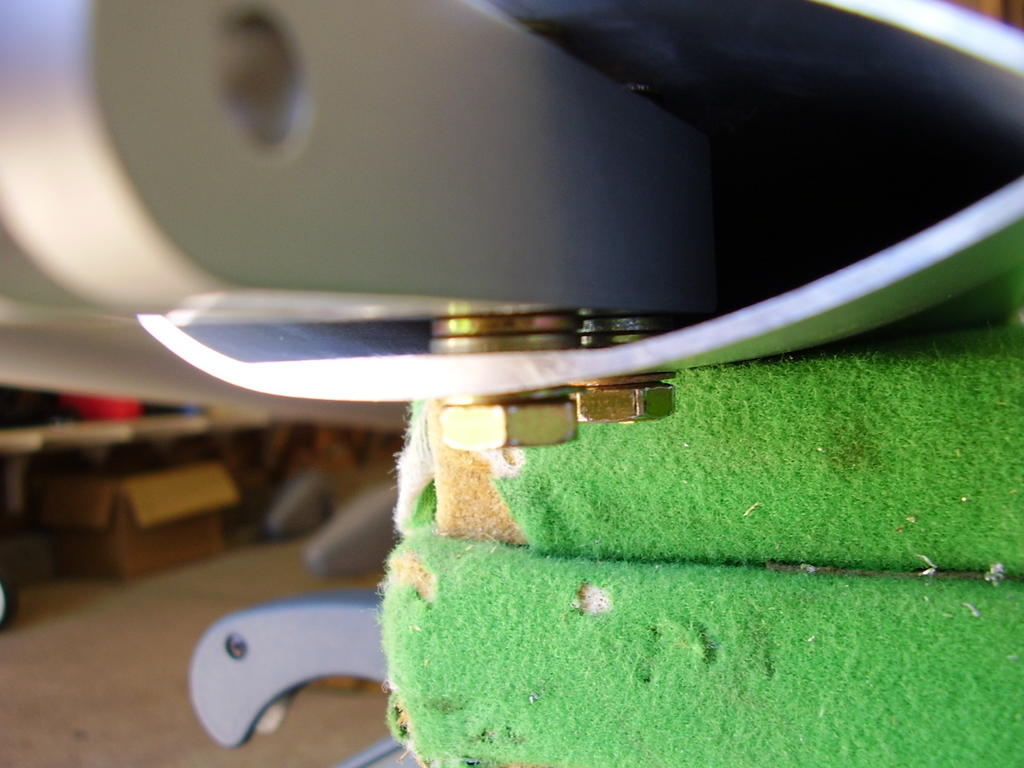
Today I installed the tail boom and related components. I started off by installing the four nut plates into the tail boom. I screwed up on one of the rivets and need to replace it with another 40APR1/8. I noticed some bubbles and chipping in the finish near the nut plate holes which I took some pictures of.
Prior to installing the tail boom, I verified that it had a reinforced layer on the inside. The reinforcement started at 33 13/16 inches from the front and ended 61 7//8 inches from the end.
I installed the tail boom into the chassis with the recommended Vaseline. This worked very well but cleaning the Vaseline off took a significant amount of work. I used gasoline and paper towels to wipe off the majority then washed the tail boom with dish soap and water. Rans told me afterward that 409 works well for cleaning off the Vaseline.
I did not glue the lexan strip that is used in the tail boom bracket. I used a piece of wood to pry the bracket apart so I had room to install the lexan strip after the tail boom was installed.
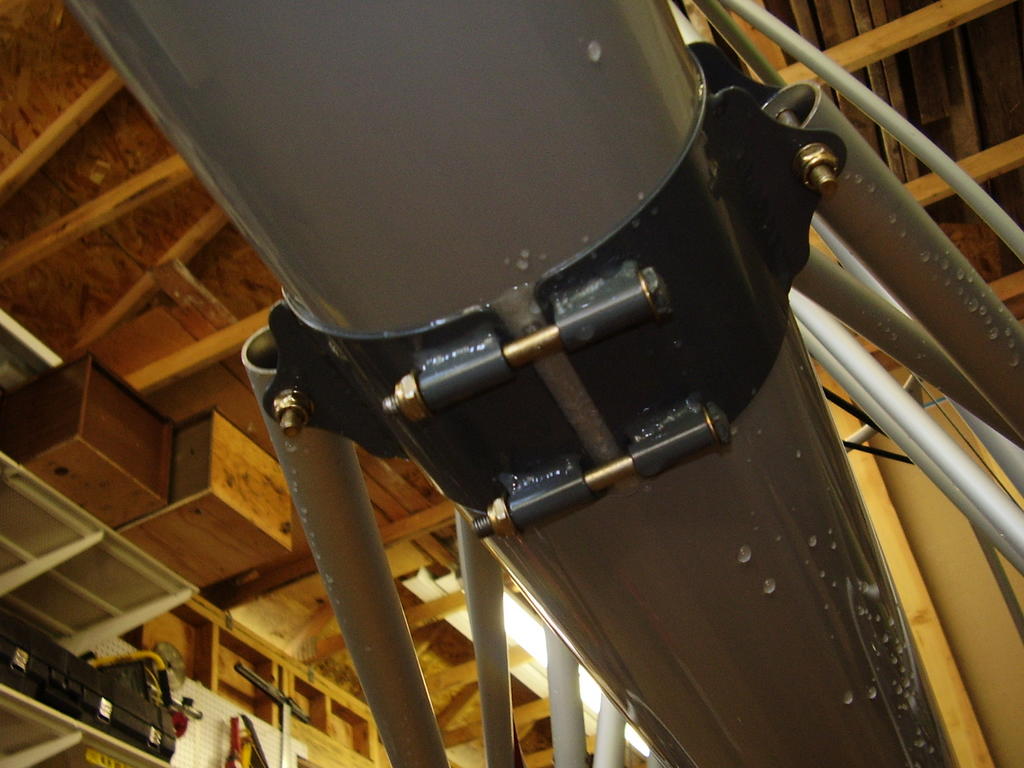
My kit did not come with the (2) AN4-27A bolts that are suppose to be used in the tail boom bracket. I assume I didn't receive enough (2) AN365-428A nuts or (4) A960-416L washers either. As a temporary bolt, I used the ALP (painted head) bolts that were too long for the wing.
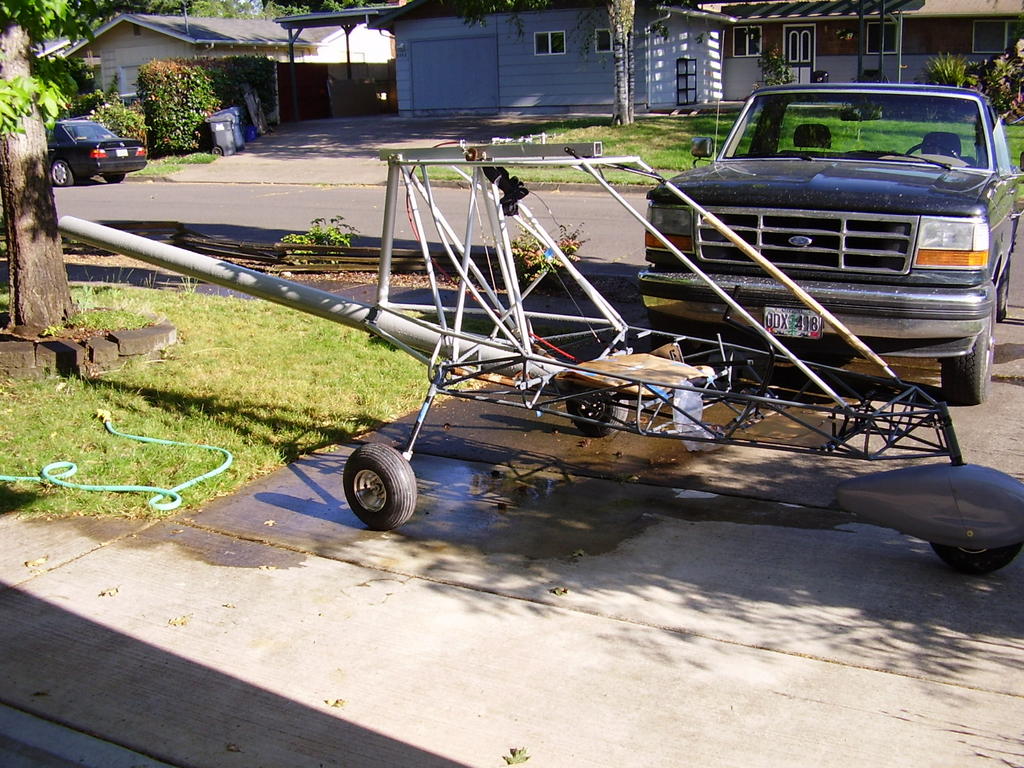
I then level the chassis which was difficult to do since my seat bottom cushion was installed. The manual recommends putting a level across the seat truss to level the chassis. After leveling, I found the bottom of the tail boon and drilled three holes for the tail boom extension and horizontal stabilizer cable tangs.
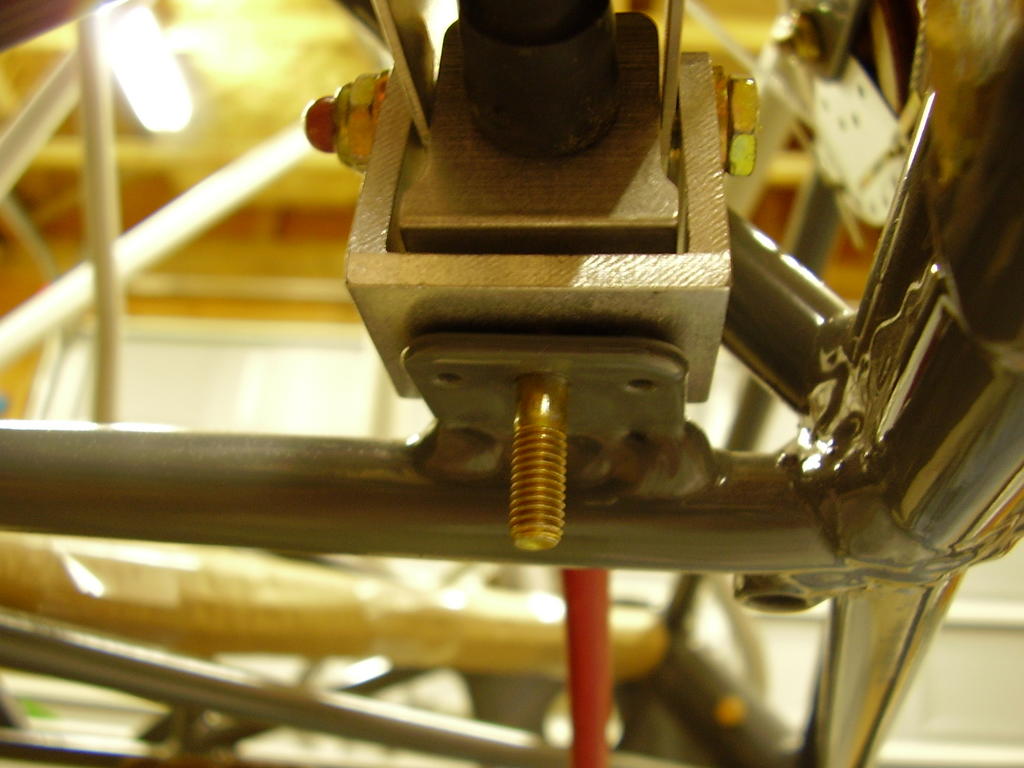
I then installed the tail boom extension. The elevator push pull tube guide needed significant modification to allow the inner nuts to be accessed with a wrench. I also installed the rudder pulleys and skid block.
I ended up removing and reinstalling the tail boom extension at least three times for different reasons. The last reason was to install the larger elevator push pull tube. The manual isn't clear about when to install this and how. It also doesn't mention where on the push pull tube the foam rubber insulator is suppose to go. I placed it in the middle of the tube.
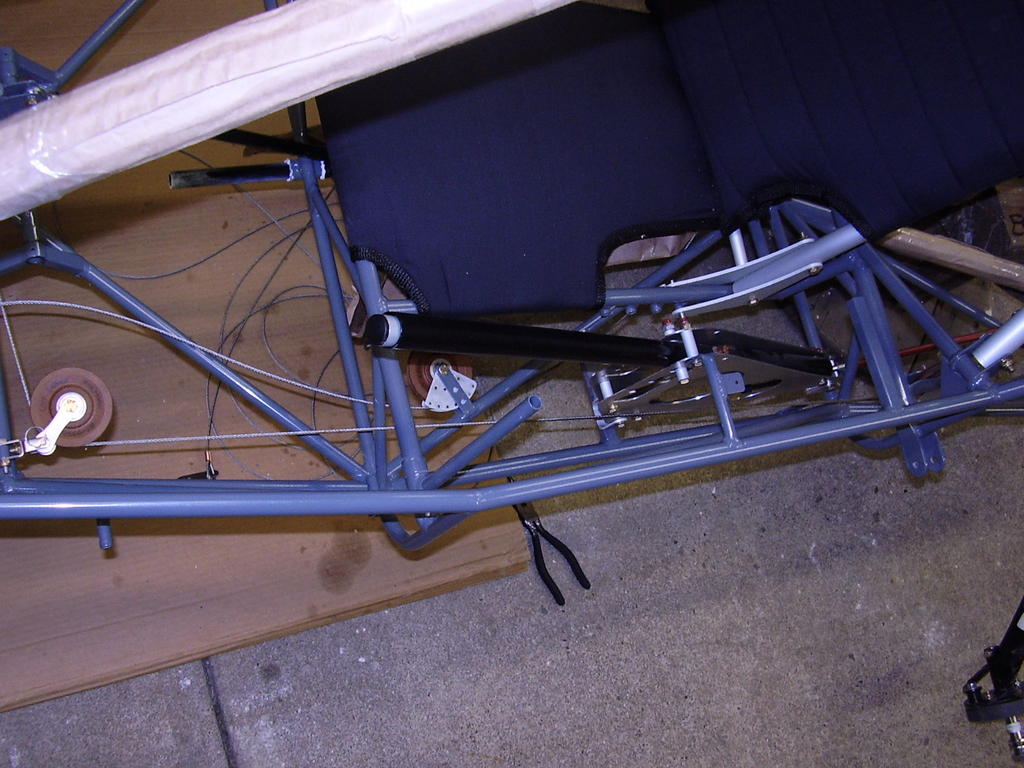
Lastly, I installed the elevator horn and connected the large elevator push pull tube to the 5/8 inch elevator push pull tube that's connected to the control stick. I noticed that the large elevator push pull tube is double re-enforced on the front end but not re-enforced on the back end.
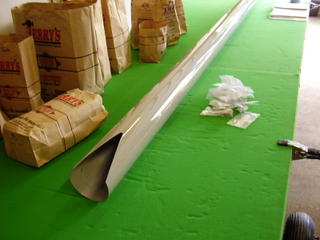
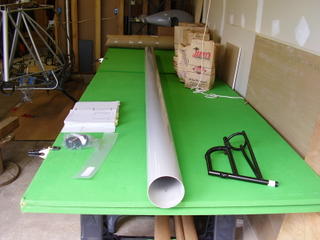
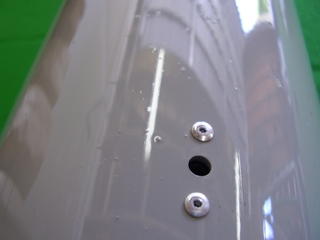
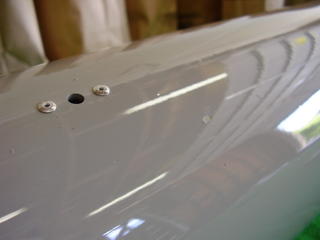
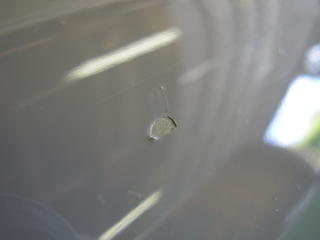
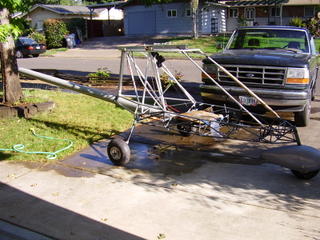
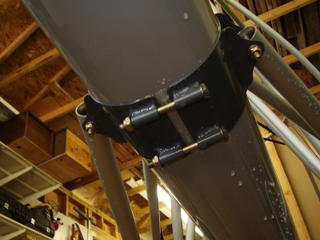
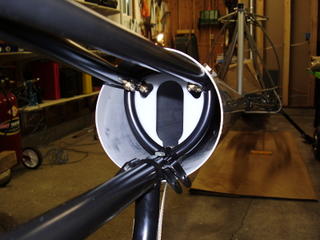
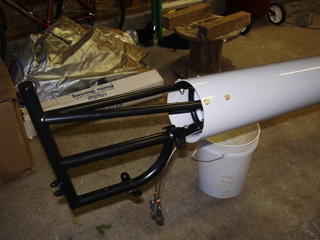
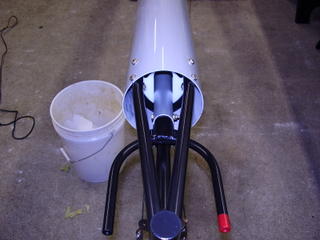
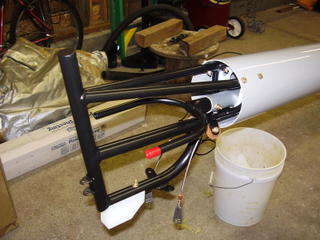
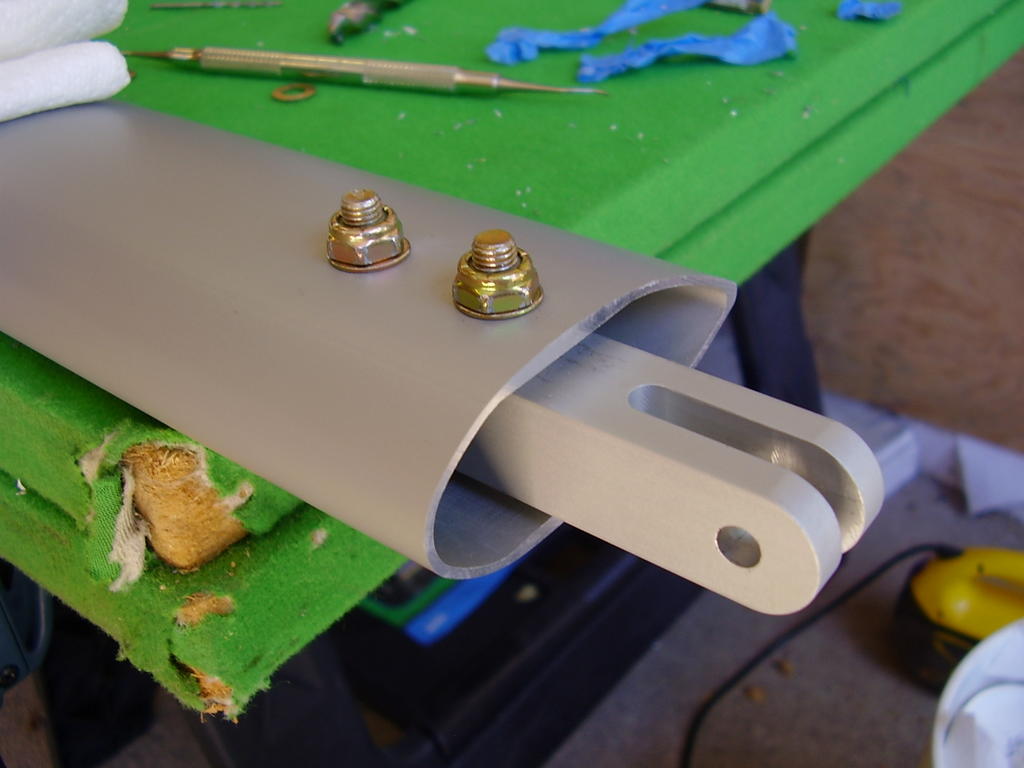
Today I installed the tail boom and related components. I started off by installing the four nut plates into the tail boom. I screwed up on one of the rivets and need to replace it with another 40APR1/8. I noticed some bubbles and chipping in the finish near the nut plate holes which I took some pictures of.
Prior to installing the tail boom, I verified that it had a reinforced layer on the inside. The reinforcement started at 33 13/16 inches from the front and ended 61 7//8 inches from the end.
I installed the tail boom into the chassis with the recommended Vaseline. This worked very well but cleaning the Vaseline off took a significant amount of work. I used gasoline and paper towels to wipe off the majority then washed the tail boom with dish soap and water. Rans told me afterward that 409 works well for cleaning off the Vaseline.
I did not glue the lexan strip that is used in the tail boom bracket. I used a piece of wood to pry the bracket apart so I had room to install the lexan strip after the tail boom was installed.
My kit did not come with the (2) AN4-27A bolts that are suppose to be used in the tail boom bracket. I assume I didn't receive enough (2) AN365-428A nuts or (4) A960-416L washers either. As a temporary bolt, I used the ALP (painted head) bolts that were too long for the wing.
I then level the chassis which was difficult to do since my seat bottom cushion was installed. The manual recommends putting a level across the seat truss to level the chassis. After leveling, I found the bottom of the tail boon and drilled three holes for the tail boom extension and horizontal stabilizer cable tangs.
I then installed the tail boom extension. The elevator push pull tube guide needed significant modification to allow the inner nuts to be accessed with a wrench. I also installed the rudder pulleys and skid block.
I ended up removing and reinstalling the tail boom extension at least three times for different reasons. The last reason was to install the larger elevator push pull tube. The manual isn't clear about when to install this and how. It also doesn't mention where on the push pull tube the foam rubber insulator is suppose to go. I placed it in the middle of the tube.
Lastly, I installed the elevator horn and connected the large elevator push pull tube to the 5/8 inch elevator push pull tube that's connected to the control stick. I noticed that the large elevator push pull tube is double re-enforced on the front end but not re-enforced on the back end.
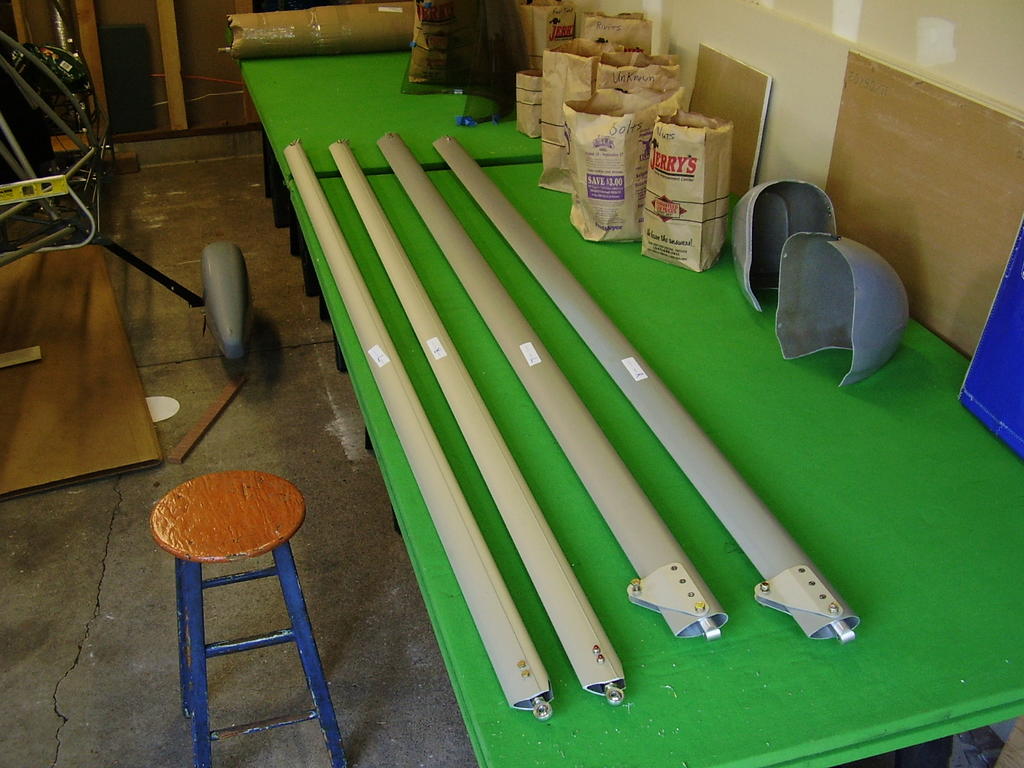


Friday, July 01, 2005
Flaps Mechanism - 2 hours (121 Total)
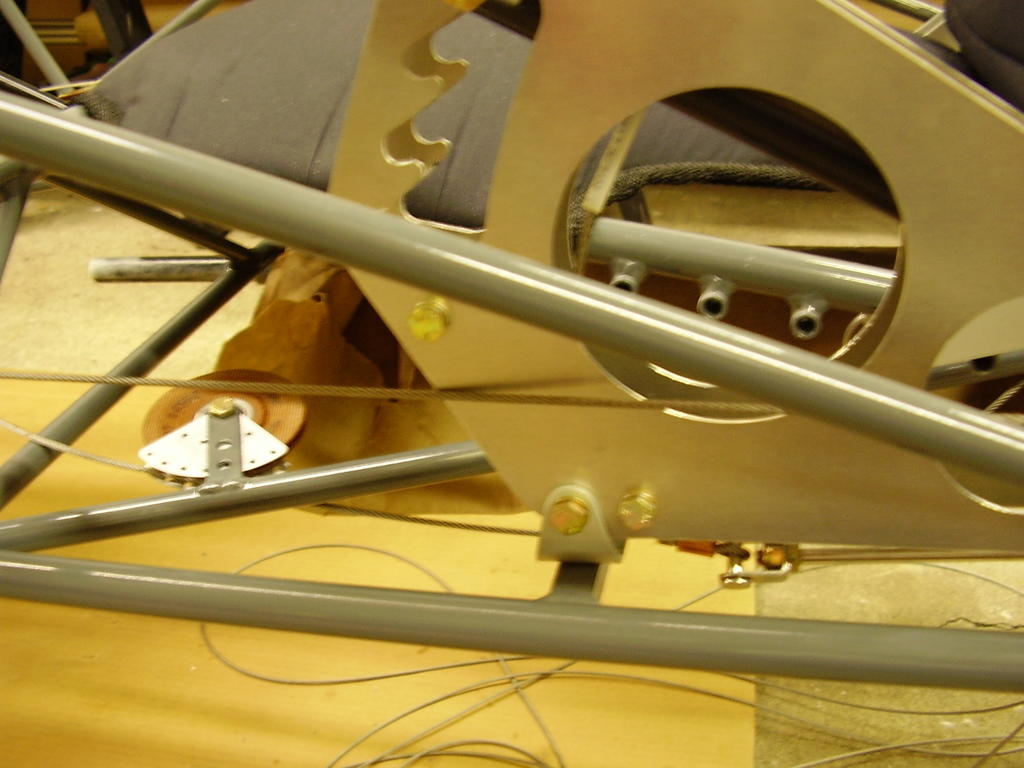
Today I installed the flap system. Unfortunately I ran into problems. The AN3-10A bolt that came with the flap actuator arm is too long; the not threaded portion of the bolt sticks through the hole in the frame. I replaced the bolt with a AN3-5A. I'll need a replacement for the AN3-5A.
After bolting the flap actuator into place, I noticed that the aileron cable rubs on the actuator housing.
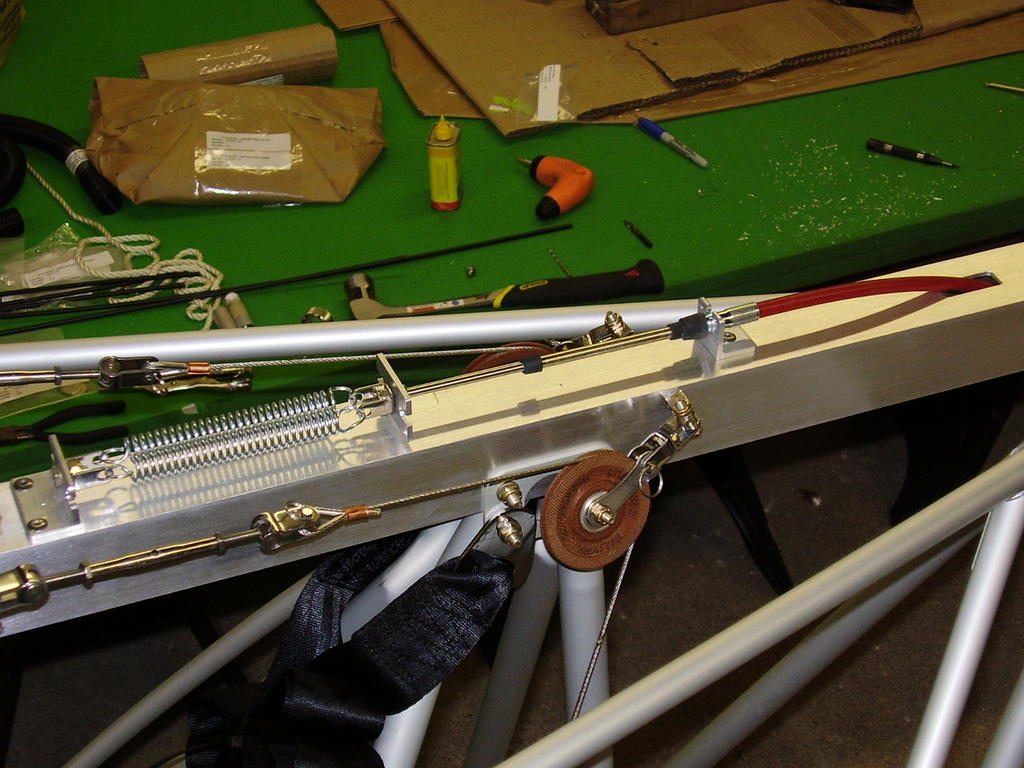
I assembled the teleflex end of the flap actuator system on top of the keel tube. It went together without too much effort but the springs took some wrestling with before they'd go onto the shackles. I need to bottom out the standard nut onto the teleflex rod to give me leverage to tighten the nylon lock nut which bolts onto the end of the teleflex rod.


Today I installed the flap system. Unfortunately I ran into problems. The AN3-10A bolt that came with the flap actuator arm is too long; the not threaded portion of the bolt sticks through the hole in the frame. I replaced the bolt with a AN3-5A. I'll need a replacement for the AN3-5A.
After bolting the flap actuator into place, I noticed that the aileron cable rubs on the actuator housing.
I assembled the teleflex end of the flap actuator system on top of the keel tube. It went together without too much effort but the springs took some wrestling with before they'd go onto the shackles. I need to bottom out the standard nut onto the teleflex rod to give me leverage to tighten the nylon lock nut which bolts onto the end of the teleflex rod.


Subscribe to:
Posts (Atom)